


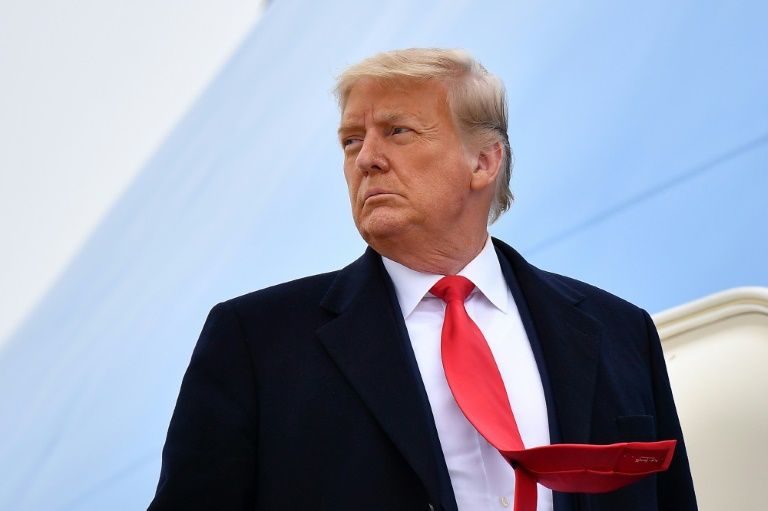
Impact of Government Shutdown on Travel Industry
The potential deployment of Immigration and Customs Enforcement (ICE) agents to U.S. airports as threatened by President Donald Trump has raised alarms within the travel industry. A partial shutdown of the Department of Homeland Security (DHS) has already disrupted various sectors, and the introduction of ICE agents could exacerbate existing chaos. Airlines, airports, and related businesses are bracing for potential fallout as travelers face uncertainty and delays. The travel sector, which contributes significantly to the U.S. economy, could see a ripple effect that impacts revenues and consumer confidence.
Political Standoff and Funding Implications
The ongoing standoff between the Trump administration and Congressional Democrats over DHS funding has reached a critical juncture. With the deadline for a resolution looming, the threat of deploying ICE agents underscores the administration's strategy to exert pressure on lawmakers. Funding for DHS has been a contentious issue, particularly concerning border security measures that the President has prioritized. As the government remains partially shut down, many federal employees—including those at the Transportation Security Administration (TSA)—are either furloughed or working without pay, which could lead to staffing shortages and increased wait times at airports.
Market Reactions and Investor Sentiment
Market response to the ongoing political turmoil has been cautious, with investors keeping a close watch on developments related to the government shutdown. Stocks in the travel and leisure sectors have exhibited volatility as market participants weigh the potential impact on consumer behavior and operational inefficiencies. Airlines, in particular, are sensitive to both operational disruptions and shifts in passenger demand, and any prolonged government shutdown could lead to a decline in travel bookings. Analysts are closely monitoring airline stock performance as the situation unfolds, with some projecting that a prolonged shutdown could lead to a downward revision of earnings forecasts.
Consumer Behavior Amid Travel Uncertainty
Consumer sentiment in the travel industry is often influenced by perceived safety and efficiency at airports. The threat of ICE agents being deployed may deter some travelers, particularly those concerned about immigration enforcement and its implications. Travel agencies report an uptick in inquiries from travelers seeking clarity on the situation, indicating that uncertainty could lead to a decline in travel plans. As the holiday travel season approaches, any negative sentiment could have a lasting impact on travel-related businesses, from airlines to hotels and tourism operators.
The Broader Economic Context
The partial shutdown of the DHS is not occurring in isolation; it is set against a backdrop of broader economic concerns. With the U.S. economy navigating challenges such as inflation and supply chain disruptions, the added uncertainty from a government shutdown could hinder economic recovery efforts. Consumer spending, a vital component of economic growth, may wane if Americans feel uncertain about government operations and their impact on daily life. The travel sector, which is a significant driver of economic activity, could face a downturn that reverberates through other industries reliant on tourism and travel.
Long-term Implications for DHS Funding
The current standoff over DHS funding raises questions about long-term implications for immigration policy and border security