


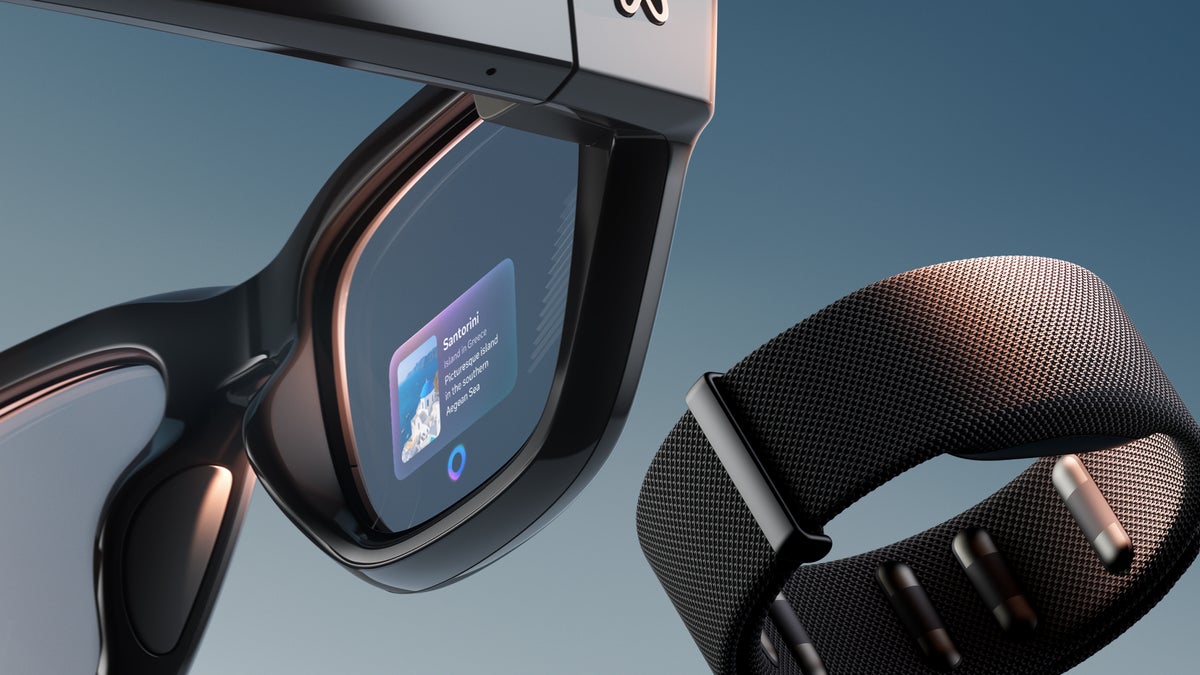
Introduction to the New Models
Next week, Meta Platforms Inc. is set to unveil two new models of its Ray-Ban smart glasses, a collaboration with the iconic eyewear brand Ray-Ban. These upcoming releases mark another step in Meta's ongoing efforts to integrate augmented reality (AR) into everyday life. However, early indications suggest that the new products may not significantly diverge from their predecessors, raising questions about the potential impact on the tech and eyewear markets.
Incremental Upgrades Rather Than Revolutionary Changes
Industry analysts anticipate that the new models will feature incremental enhancements rather than groundbreaking innovations. While the original Ray-Ban Stories glasses introduced capabilities such as photo and video recording, the latest iterations are expected to refine these features rather than introduce new functionalities. This approach may appeal to existing users but could disappoint those hoping for a more transformative experience.
The Market Context for Smart Glasses
The smart glasses market has been evolving, albeit slowly. Tech giants like Google and Apple have made strides in AR technology, but consumer adoption remains tepid. The challenges include high prices, concerns about privacy, and the lack of compelling use cases. Meta's decision to release new models amidst these challenges reflects a calculated risk, aiming to capture a niche market that values both fashion and technology.
Consumer Sentiment and Expectations
Consumer sentiment towards smart glasses has been mixed, with some users appreciating the convenience and novelty, while others have expressed skepticism about their utility. The original Ray-Ban Stories received a lukewarm reception, with some reviewers highlighting issues such as battery life and limited functionality. As a result, the new models will need to address these concerns to gain traction among potential buyers.
Brand Positioning and Market Strategy
Meta's approach to positioning the Ray-Ban smart glasses in the market is noteworthy. By leveraging the Ray-Ban brand's strong identity in the fashion sector, Meta aims to appeal to a demographic that values style as much as functionality. This strategy is particularly important as consumers increasingly prioritize aesthetics in their tech purchases. The new models are expected to reflect this blend of technology and fashion, but whether they will resonate with consumers remains to be seen.
Potential Impact on Meta's Financial Performance
From a financial perspective, the success of the new Ray-Ban models could have implications for Meta’s broader business strategy. As the company continues to invest heavily in the metaverse and AR technologies, the revenue generated from hardware sales like the Ray-Ban smart glasses could provide a critical funding source. However, analysts caution that without significant innovation, the glasses may struggle to achieve sales figures that would meaningfully impact Meta's bottom line.
Competitive Landscape and Industry Challenges
The competitive landscape for smart glasses is increasingly crowded, with several tech companies vying for consumer attention. Apple is rumored to be developing its own AR glasses, which could present a formidable challenge to Meta's offerings. Furthermore, the market is also witnessing the entry of smaller players that are experimenting with different designs and functionalities. In this context, Meta's incremental approach may not be sufficient to maintain its market share.
Privacy Concerns and Regulatory Scrutiny
Privacy concerns surrounding smart glasses continue to loom large. The ability to record video and capture images discreetly has raised alarms among privacy advocates and regulatory bodies. As Meta prepares to launch its new models, it must navigate these concerns carefully. The company has previously faced scrutiny over data collection practices, and any misstep could further complicate its relationship with consumers and regulators alike.
Future Outlook for Smart Wearables
Despite the challenges, the future of smart wearables, including glasses, remains promising. As technology advances, consumers may become more open to integrating AR into their daily lives. Innovations in battery technology, user interface design, and augmented reality applications could eventually lead to a more compelling product. Meta's continued investment in this space indicates that the company is committed to being a player in the future of smart wearables, even if the immediate upgrades to the Ray-Ban glasses may not be groundbreaking.
Conclusion: A Cautious Step Forward
As Meta prepares to launch its new Ray-Ban smart glasses models next week, the industry watches closely to gauge consumer response. While the incremental upgrades may appeal to some existing users, the lack of significant innovation raises questions about the product's broader market viability. In a competitive landscape fraught with challenges, Meta's ability to navigate consumer expectations, privacy concerns, and technological advancements will be critical in determining the success of its smart glasses and, by extension, its ambitions in the AR space.