


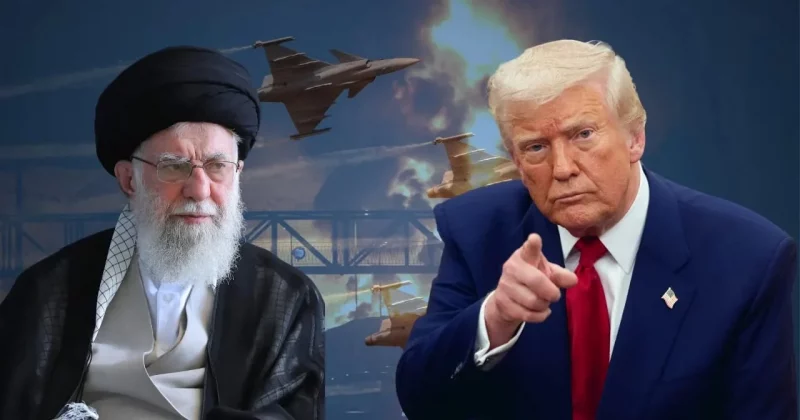
Ceasefire Status: An Overview
In a recent statement, US President Donald Trump indicated that the ceasefire agreement with Iran is currently "on life support." This declaration has raised alarms within the international community, as the potential collapse of this fragile accord could have far-reaching implications for global stability. The ceasefire, which has been a crucial element in maintaining a tenuous peace in the Middle East, is now facing severe challenges that could exacerbate existing geopolitical tensions.
Geopolitical Implications of a Ceasefire Collapse
The ramifications of a deteriorating ceasefire extend beyond the borders of Iran and the United States. In a region already fraught with conflict, the breakdown of talks could reignite hostilities that have been simmering for years. Neighboring countries, particularly those with vested interests in the outcome of US-Iran relations, are likely to react swiftly to any signs of escalating violence. This could lead to a chain reaction of military engagements, further destabilizing the Middle East and prompting international calls for intervention.
Market Reactions: A Volatile Landscape
The financial markets are particularly sensitive to developments in US-Iran relations. Investors are acutely aware that a collapse of the ceasefire could lead to increased military actions, which would disrupt trade routes and impact global supply chains. As a result, stock markets may experience heightened volatility as traders react to the news. Sectors such as energy, defense, and manufacturing could see significant fluctuations in their stock prices, reflecting the uncertainty surrounding the geopolitical landscape.
Energy Security: A Critical Concern
One of the most immediate impacts of a potential ceasefire collapse is on global energy security. Iran is a key player in the oil market, and any military conflict in the region could disrupt the flow of oil, leading to price spikes. The Strait of Hormuz, through which a significant portion of the world's oil supply is transported, could become a flashpoint for naval confrontations. Such disruptions could have a cascading effect on global oil prices, potentially leading to increased inflation and economic instability in countries dependent on oil imports.
Investor Sentiment: Navigating Uncertainty
Investor sentiment is likely to be cautious in the wake of President Trump's comments. Many market participants are already grappling with the implications of rising interest rates and inflationary pressures. The added uncertainty stemming from geopolitical tensions with Iran may compel investors to adopt a more defensive posture, favoring assets perceived as safe havens, such as gold and government bonds. This shift in sentiment could lead to a flight to safety, further impacting equity markets.
The Role of Diplomacy: A Path Forward
As tensions escalate, the importance of diplomatic efforts cannot be overstated. The international community, including allies of both the United States and Iran, may need to step in to facilitate dialogue and prevent further escalation. Diplomatic channels must remain open to explore potential compromises that could stabilize the region and preserve the ceasefire. The consequences of a prolonged conflict are too severe to overlook, necessitating a concerted effort to restore peace through negotiation rather than military action.
Long-term Economic Effects
Should the ceasefire ultimately collapse, the long-term economic effects could be profound. The increased military expenditure by involved nations could divert resources away from critical domestic needs, such as healthcare and education. Additionally, prolonged instability in the Middle East could deter foreign direct investment, as businesses may be reluctant to enter a volatile market. The economic repercussions would not be limited to the region; global markets could see a ripple effect as investor confidence wanes.
Historical Context: Lessons from the Past
Looking back at historical precedents, the collapse of diplomatic agreements often leads to unintended consequences. The Iraq War serves as a stark reminder of how quickly regional conflicts can escalate into larger confrontations with global implications. The international community must learn from these lessons to ensure that diplomatic avenues are fully explored before resorting to military solutions. The stakes are high, and the potential for a miscalculation could have devastating consequences.
Conclusion: The Need for Vigilance and Action
As President Trump's remarks highlight the precarious nature of the US-Iran ceasefire, the implications for global markets, geopolitical stability, and energy security cannot be ignored. Investors, policymakers, and the international community must remain vigilant in monitoring developments and proactively seeking diplomatic solutions to prevent escalation. The potential fallout from a collapse of the ceasefire could alter the trajectory of global markets and international relations for years to come. A concerted effort to prioritize diplomacy over conflict is essential to safeguard not only regional stability but also the broader global economy.