


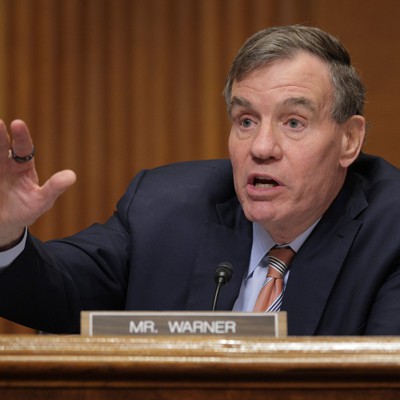
Warner's Legislative Push for Cyber Information Sharing
Senator Mark Warner, the leading Democrat on the Senate Intelligence Committee, has introduced a bill aimed at restoring funding for a critical cyber information-sharing program. The proposed legislation underscores the increasing urgency for enhanced cybersecurity measures across both public and private sectors, particularly as cyber threats continue to evolve and escalate. Warner's initiative seeks to bolster the capabilities of state and local governments in defending against cyberattacks, emphasizing the need for a coordinated response to the growing digital landscape of threats.
The Significance of Cyber Information Sharing
Cyber information-sharing programs play a vital role in enhancing the security posture of organizations and government entities alike. By facilitating the exchange of threat intelligence, these programs allow stakeholders to proactively identify and mitigate potential risks. Warner's legislation aims to restore funding that has been cut in previous budget cycles, arguing that without adequate resources, both state and local governments may struggle to implement effective cybersecurity frameworks.
Warner's Outreach to Key Stakeholders
In conjunction with the introduction of the bill, Warner has reached out to Department of Homeland Security (DHS) Secretary Markwayne Mullin, as well as governors across the nation, urging them to prioritize state and local cyberdefense initiatives. This outreach reflects an understanding that cybersecurity is not solely a federal concern; rather, it requires a collaborative approach that includes local jurisdictions, which are often the first line of defense against cyber threats.
The Growing Threat Landscape
The urgency of Warner's proposal is underscored by a series of high-profile cyberattacks that have targeted both public and private sectors in recent years. From ransomware attacks crippling municipal services to breaches of sensitive personal data, the threat landscape is more complex than ever. As cybercriminals adopt increasingly sophisticated tactics, the need for robust information-sharing mechanisms has never been more critical.
Impact on Local Governments and Businesses
Local governments, which often operate with limited resources, face significant challenges in establishing and maintaining effective cybersecurity measures. Warner's bill aims to provide these entities with the tools and funding necessary to enhance their defenses. By supporting local cyberdefense initiatives, the legislation seeks to empower municipalities to better protect their infrastructure and services.
Businesses, particularly those operating in critical sectors such as healthcare, finance, and energy, also stand to benefit from improved information-sharing protocols. Enhanced collaboration between public and private sectors can lead to a more comprehensive understanding of threats, allowing organizations to bolster their defenses and respond more effectively to incidents.
Potential Economic Implications
The economic implications of inadequate cybersecurity are vast. Cyberattacks can result in significant financial losses, not only for the targeted organizations but also for the broader economy. In addition to immediate financial impacts, such as ransom payments and recovery costs, businesses may face long-term reputational damage and loss of consumer trust. By investing in cyber information-sharing programs, Warner's legislation aims to mitigate these risks, fostering a more stable economic environment.
Legislative Support and Challenges
While Warner's bill has garnered support from various stakeholders, it is not without its challenges. The political landscape surrounding cybersecurity funding can be contentious, with differing views on the role of government in regulating and supporting private sector cybersecurity efforts. Additionally, competing budget priorities may hinder the allocation of resources necessary for the successful implementation of Warner's proposals.
Nevertheless, the growing bipartisan recognition of cybersecurity as a critical national security issue may bolster the prospects of Warner's legislation. As more lawmakers begin to appreciate the economic ramifications of cyber threats, the potential for collaborative solutions may increase.
Conclusion: A Call for Collective Action
Senator Warner's push to restore funding for cyber information-sharing programs represents a crucial step in addressing the escalating threat of cyberattacks. By emphasizing the importance of collaboration among federal, state, and local entities, the proposed legislation seeks to empower governments and businesses alike to fortify their defenses. As the digital landscape continues to evolve, collective action will be essential in safeguarding the nation’s infrastructure and economy against cyber threats.