


Introduction: The Intersection of Sports and Entertainment
The 2026 FIFA World Cup final, held in the United States, Canada, and Mexico, was not only a monumental sporting event but also a showcase of entertainment. As the world tuned in to witness the culmination of one of the most prestigious football tournaments, the performances before the match garnered as much attention as the game itself. However, the entertainment segment has faced significant backlash, with critics labeling it a "lip-syncing contest." This commentary raises pertinent questions about the role of live performances in major sporting events and the expectations of global audiences.
IShowSpeed's Performance: A Mixed Reception
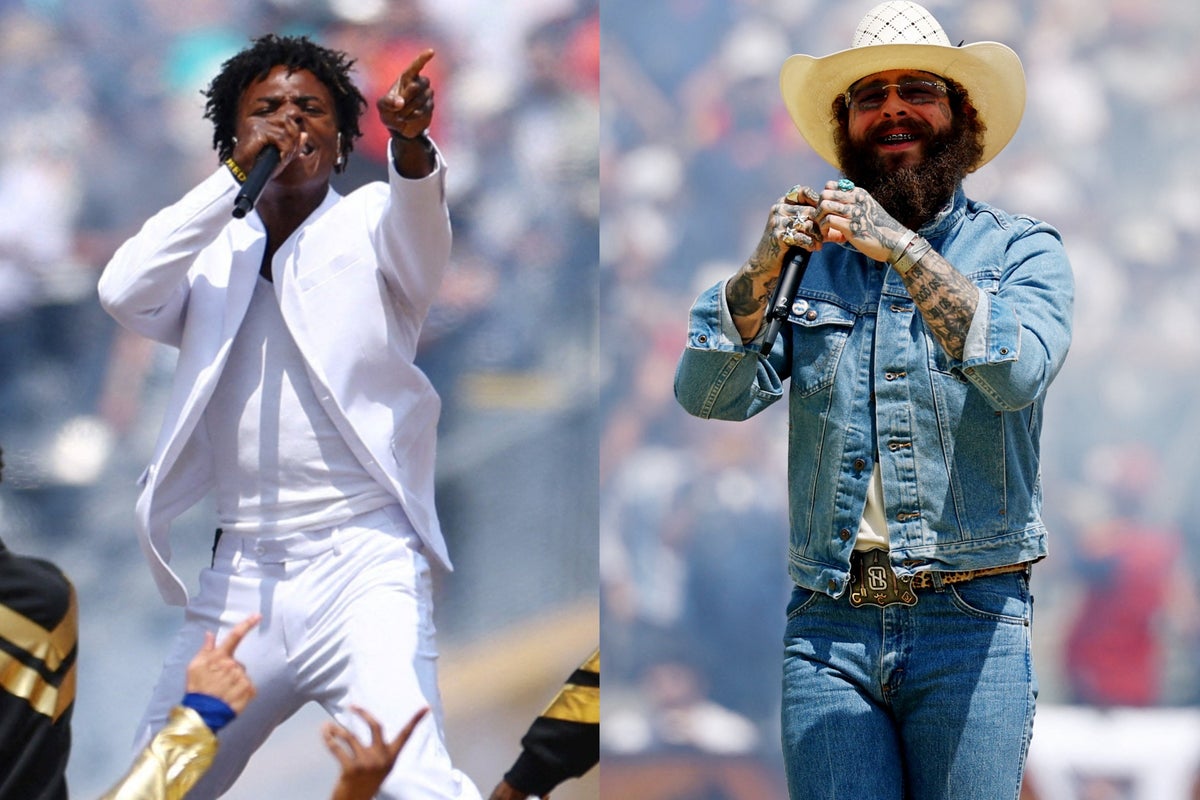
Streaming sensation IShowSpeed was among the performers who took the stage to kick off the final with his song "World Cup (Champions)." Known for his energetic online persona and massive following on platforms like YouTube and Twitch, IShowSpeed aimed to energize the crowd with an anthem that encapsulated the spirit of competition and unity. However, the execution fell short of expectations for many viewers. Critics pointed out that the performance lacked authenticity, with accusations of excessive reliance on pre-recorded tracks.
Post Malone's Contribution: Star Power vs. Substance
Joining IShowSpeed was Grammy-nominated artist Post Malone, whose presence added significant star power to the event. Known for his genre-blending music and widespread appeal, Malone's involvement was initially seen as a boon for the entertainment lineup. Yet, similar critiques emerged regarding his performance, with many fans expressing disappointment over the perceived lack of live vocals. The juxtaposition of Malone’s established reputation against the backdrop of the World Cup intensified the scrutiny of the entertainment choices made for this global stage.
Audience Expectations: The Demand for Authenticity
The backlash against the performances highlights a growing trend among audiences who increasingly demand authenticity in live entertainment. In an age where streaming services and social media provide instant access to a plethora of content, viewers have become discerning consumers. The expectation for live performances to be just that—live—has never been more pronounced. Critics argue that relying on lip-syncing diminishes the overall experience, particularly for an event as significant as the World Cup final.
Financial Implications: Sponsorships and Brand Partnerships
The World Cup represents a lucrative opportunity for brands and sponsors, with billions of dollars at stake. The entertainment segment, often funded by major corporations seeking visibility, plays a crucial role in maximizing the event's commercial potential. However, if performances fail to resonate with audiences, it could lead to a reevaluation of sponsorship strategies. Brands invest heavily in these moments, and negative reception can impact future partnerships and investment decisions.
Reconsidering the Entertainment Model: What’s Next?
In light of the criticisms, stakeholders in the entertainment industry may need to reassess their approach to live performances at major sporting events. The challenge lies in balancing star power with authentic artistry. As the music and sports industries continue to intersect, a more thoughtful curation of talent that prioritizes live engagement over spectacle could restore audience trust. This shift could also lead to more innovative collaborations between artists and athletes, fostering a deeper connection with fans.
The Role of Social Media in Shaping Perceptions
Social media platforms played a pivotal role in amplifying the criticisms of the World Cup final performances. Viewers took to Twitter, Instagram, and TikTok to voice their opinions, creating a viral conversation around the perceived shortcomings of the show. This phenomenon highlights the power of social media in shaping public perception and influencing future events. Organizers and performers must navigate this digital landscape carefully, as real-time feedback can significantly impact their reputation and marketability.
Comparative Analysis: Past Performances at Major Sporting Events
The criticisms directed at IShowSpeed and Post Malone's performances are not isolated incidents. Historical analysis of entertainment at major sporting events, such as the Super Bowl halftime shows or the Olympics, reveals a pattern of audience expectations evolving over time. Past performances that successfully blended live artistry with entertainment have set a high bar, making it increasingly difficult for new acts to meet these standards. The key takeaway is that audiences are looking for memorable experiences that resonate on an emotional level.
Conclusion: The Future of Live Entertainment in Sports
The World Cup final's entertainment segment serves as a case study in the evolving landscape of live performances at major sporting events. As audiences continue to demand authenticity and engagement, organizers must adapt their strategies to meet these expectations. The backlash against the recent performances underscores the importance of balancing star power with genuine artistry. Moving forward, the challenge will be to curate entertainment that not only captivates viewers but also enhances the overall experience of these monumental sporting occasions. The future of live entertainment in sports hinges on this delicate balance, as stakeholders consider the lessons learned from past performances.