


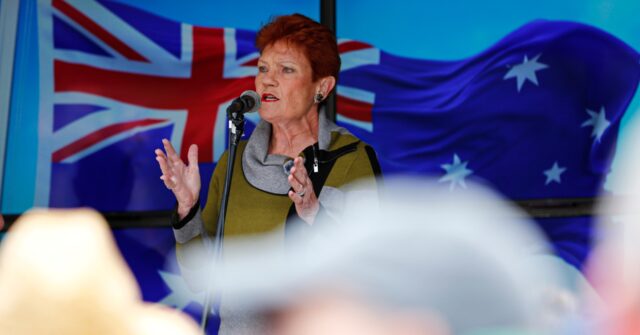
Surge in Support for One Nation Amid Economic Concerns
In recent weeks, the political landscape in Australia has witnessed a notable shift, with the One Nation party, led by Pauline Hanson, experiencing a significant uptick in poll numbers. This rise in popularity comes amidst growing concerns among the Australian populace regarding the economic impact of migration. As citizens grapple with rising living costs and pressure on public services, many are turning to Hanson’s anti-migration stance as a potential solution to their grievances.
Economic Pressure Fuels Political Shift
Australia's economy has been navigating a complex landscape marked by inflationary pressures, housing affordability challenges, and increased costs of living. These issues have led to heightened public scrutiny of immigration policies, with many Australians questioning the balance between welcoming newcomers and addressing domestic economic stability. The One Nation party has capitalized on these sentiments, positioning itself as a champion for those who feel marginalized by current government policies.
One Nation's Messaging Resonates
Hanson’s message, which emphasizes a reduction in immigration as a means to alleviate economic strain, seems to resonate particularly well with individuals in regional areas and working-class demographics. Polling data indicates that a growing number of voters are aligning with One Nation's call for stricter immigration controls, viewing this as a pathway to job security and improved public services. This shift in voter sentiment reflects a broader trend observed in various democracies, where economic challenges often lead to a rise in populist movements.
Media Response and Criticism
Public Sentiment vs. Media Narratives
The contrast between public sentiment and media narratives raises important questions about the nature of political discourse in Australia. While the mainstream media often emphasizes the potential dangers of populist rhetoric, many voters appear increasingly willing to support candidates who address their immediate economic concerns, regardless of the broader implications. This disconnect highlights the challenges faced by traditional political parties in addressing the needs and fears of their constituents.
Potential Implications for Australian Politics
The rise of One Nation could have significant implications for the Australian political landscape, particularly as the country approaches its next federal election. If Hanson’s party continues to gain traction, it may force other political parties to reassess their positions on immigration and economic policy. The emergence of a strong anti-migration sentiment could lead to a fragmentation of the vote, impacting the ability of major parties to maintain their traditional bases of support.
The Role of Economic Data in Political Decisions
As economic data continues to evolve, the influence it has on voter behavior will be critical in shaping the future of Australian politics. Recent