


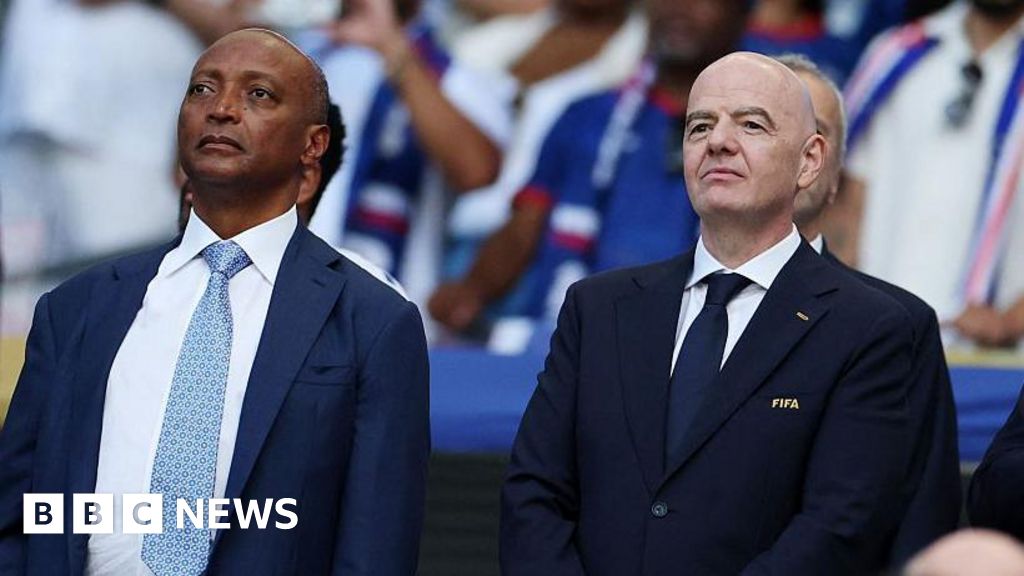
Introduction: The Landscape of African Football Leadership
As the football world gears up for the next FIFA Congress, the question of Gianni Infantino's presidency looms large, particularly in Africa. Infantino, who has been at the helm of FIFA since 2016, has faced scrutiny and controversy during his tenure. While the Confederation of African Football (CAF) has not issued an official statement regarding its support for Infantino, individual nations are beginning to express their positions. This article delves into the sentiments of key African footballing nations and the broader implications for the continent’s representation in global football governance.
The Current State of CAF's Position
Despite the lack of a formal declaration from CAF, the organization continues to play a pivotal role in shaping the future of African football. CAF's leadership, under President Patrice Motsepe, has been navigating the complexities of governance amid ongoing discussions about FIFA's reforms and the financial implications of major tournaments. The absence of a clear stance on Infantino's presidency raises questions about the unity of African football associations and their collective influence within FIFA.
Key Players: Nations Weigh In
As the situation unfolds, several prominent African nations have begun to articulate their views on Infantino's leadership. Countries like Nigeria, Egypt, and South Africa are particularly influential due to their footballing history and their capacity to sway opinions within CAF. Nigeria's football association has indicated a cautious approach, advocating for reforms that prioritize transparency and accountability in FIFA's operations. On the other hand, Egypt, with its rich footballing heritage, maintains a more favorable outlook towards Infantino, citing his efforts to expand the reach of football in Africa.
Economic Considerations: Financial Support and Investments
One of the critical factors influencing African nations' support for Infantino is the economic landscape of football on the continent. Under Infantino's leadership, FIFA has increased its financial investment in African football, which has led to the development of infrastructure and grassroots programs. Countries that have benefited from these investments are more likely to support his presidency, as they see tangible returns in the form of improved facilities and funding for local leagues.
Grassroots Development: A Dividing Factor
While some nations appreciate the financial support, others argue that the focus should be on grassroots development rather than just high-profile tournaments. Critics from countries like Ghana have voiced concerns that while FIFA invests in infrastructure, there is insufficient emphasis on nurturing local talent and building sustainable football ecosystems. This divide highlights the varying priorities among African nations and complicates a unified stance on Infantino’s presidency.
Political Dynamics: Influence of National Governments
The political landscape in many African nations also plays a significant role in shaping their football associations' positions. Governments often influence football policy, and in some cases, national interests can overshadow the needs of the sport. For instance, in countries where football is seen as a tool for political leverage, support for Infantino could be swayed by the potential benefits that come from aligning with FIFA's global initiatives.
Infantino's Initiatives: The African Football Development Program
Infantino's commitment to African football is most evident through initiatives such as the African Football Development Program, aimed at enhancing the quality of football across the continent. This program has garnered support from several nations, particularly those that have seen direct benefits. However, skepticism remains regarding the long-term sustainability of such initiatives and whether they will truly uplift the sport at all levels.
Regional Alliances: The Role of Confederations
The dynamics within regional football confederations also impact how African nations view Infantino's presidency. The Council of Southern African Football Associations (COSAFA) and the West African Football Union (WAFU) are examples of regional bodies that may influence their members' positions. These alliances often reflect shared interests and can either bolster or undermine support for Infantino, depending on the perceived benefits of his leadership.
The Impact of Global Football Trends
As global football trends evolve, African nations must also consider their stance in relation to the international landscape. The growing emphasis on inclusivity, diversity, and the equitable distribution of FIFA's resources is pushing African nations to reassess their positions. Countries that prioritize these values may find themselves at odds with those that seek to maintain the status quo, further complicating the unified support for Infantino.
The Future of African Representation in FIFA
As the Congress approaches, the question of whether Africa will continue to back Infantino remains pivotal not just for the continent but for the future of global football governance. The outcome of this scenario will have lasting implications for how African nations are represented in FIFA’s decision-making processes. A divided stance could weaken Africa's influence, while a united front could enhance its bargaining power in future negotiations.
Conclusion: A Fork in the Road for African Football
In conclusion, the question of Africa's support for Gianni Infantino is far from settled. As individual nations express their views and weigh the benefits of Infantino's presidency against their own national interests, the landscape of African football governance remains fluid. The next few months will be crucial in determining whether Africa can present a cohesive front or if internal divisions will ultimately dictate its influence within FIFA. The stakes are high, and the decisions made now will resonate throughout the continent for years to come.