


Introduction: The Political Landscape in Michigan
As the midterm elections draw closer, the political climate in Michigan is becoming increasingly charged. The recent Senate debate has illuminated the rising tide of anti-Muslim rhetoric that is permeating the campaign discourse. This trend not only reflects broader national sentiments but also poses significant implications for candidates and their constituents in a state with a sizable Muslim population.
Contextualizing the Debate: Key Participants and Issues
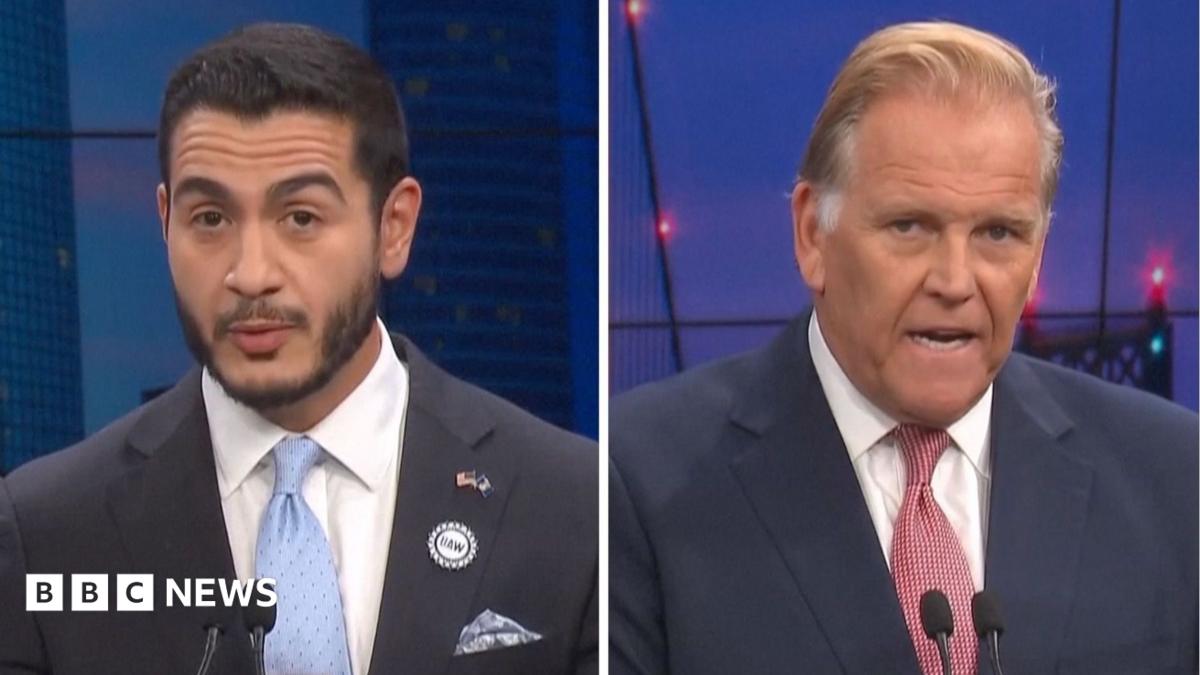
The Senate debate featured prominent candidates, including former state representative Abdul El-Sayed and his opponent, a Republican contender who has been associated with polarizing statements. During the exchange, tensions flared when El-Sayed questioned the implications of his opponent's comments regarding family ties to individuals allegedly on a watchlist. This moment underscored the intersection of personal attacks and broader societal issues, specifically the stigmatization of Muslim communities.
The Rise of Anti-Muslim Rhetoric in Political Discourse
The increase in anti-Muslim rhetoric within political campaigns is not an isolated phenomenon; rather, it mirrors a national trend where candidates leverage fear-based narratives to galvanize voter support. In Michigan, where nearly 300,000 Muslims reside, such rhetoric can have profound effects on voter sentiment and community relations. The debate highlighted how candidates are increasingly willing to exploit cultural differences for political gain, raising ethical questions about the implications for social cohesion.
Impact on Voter Sentiment and Community Dynamics
The discourse surrounding anti-Muslim sentiment is likely to influence voter turnout and preferences in the upcoming elections. For many Muslim voters in Michigan, the debate serves as a reminder of the challenges they face in a political environment that can often be hostile. Candidates who engage in divisive rhetoric may alienate not only Muslim constituents but also moderate voters who value inclusivity and representation.
Economic Implications of Political Rhetoric
Beyond the immediate social ramifications, the rise in anti-Muslim rhetoric can have economic implications for the state. Michigan's Muslim community contributes significantly to the local economy, with many individuals running small businesses and participating actively in various sectors. Negative perceptions can hinder economic growth by affecting consumer behavior and investment in these communities.
Business Leaders Respond to Political Climate
In light of the current political climate, several business leaders and community organizations have taken a stand against anti-Muslim rhetoric. They argue that fostering an inclusive environment is essential for economic prosperity. Initiatives aimed at promoting diversity and inclusion not only benefit marginalized communities but also enhance the overall business ecosystem. As political leaders navigate these issues, the support from the business community could play a crucial role in shaping a more positive narrative.
The Role of Media in Shaping Public Perception
The media's portrayal of candidates and their rhetoric significantly influences public perception. Coverage that emphasizes divisive comments can perpetuate stereotypes and exacerbate tensions between communities. Conversely, reporting that highlights positive contributions from the Muslim community can help counteract negative narratives. As the election approaches, the responsibility of the media to provide balanced coverage becomes increasingly critical.
Potential Consequences for Candidates
For candidates like El-Sayed, navigating the complexities of identity politics while addressing the concerns of their constituents is essential. The backlash against anti-Muslim rhetoric could mobilize support for candidates who advocate for tolerance and understanding. Conversely, candidates who continue to engage in fear-mongering may find themselves facing significant pushback from voters who prioritize unity over division.
The Path Forward: Building Bridges in a Divided Landscape
As Michigan approaches the midterms, the need for dialogue and understanding among diverse communities is more pressing than ever. Candidates have the opportunity to foster connections and promote policies that benefit all constituents, regardless of their background. Engaging with community leaders and addressing the concerns of marginalized groups can help candidates build a more inclusive platform, ultimately benefiting the political landscape and the economy.
Conclusion: The Stakes of the Upcoming Elections
The Michigan Senate debate has brought to light the critical issues surrounding anti-Muslim rhetoric and its implications for the upcoming elections. As candidates seek to secure their positions, the choices they make regarding their rhetoric and engagement with diverse communities will be pivotal. The outcome of the midterms could set the tone for future political discourse, making it essential for voters to remain informed and engaged in the democratic process.