


Historic Rivalry Takes a Positive Turn
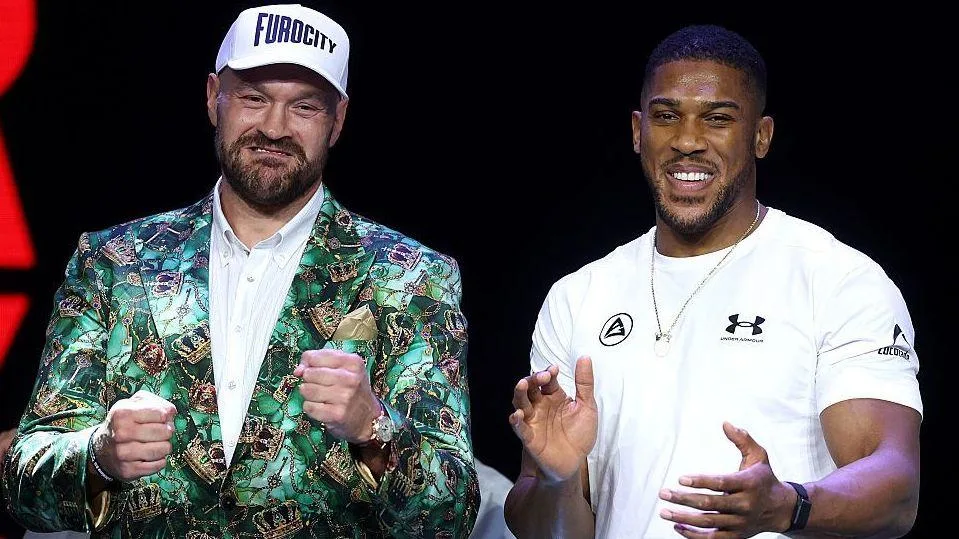
In an unexpected twist to one of boxing's most storied rivalries, heavyweight champions Tyson Fury and Anthony Joshua recently faced off in a London news conference that was characterized by mutual respect and light-hearted banter. After more than a decade of public feuding, this meeting marked a significant shift in the dynamics between two of the sport's biggest names. The event not only captured the attention of boxing fans but also highlighted the potential for collaboration in a sport often defined by its rivalries.
The Financial Stakes of a Potential Showdown
The prospect of a fight between Fury and Joshua has been a tantalizing one for promoters, sponsors, and fans alike. With both fighters boasting extensive records and massive fan bases, a match could generate significant revenue through pay-per-view sales, ticket sales, and merchandise. Analysts estimate that a bout could bring in upwards of $100 million, making it one of the highest-grossing events in boxing history. The financial implications extend beyond the ring, as both fighters could leverage their brands for lucrative endorsements and partnerships.
Shifts in Market Sentiment
Market sentiment surrounding boxing has experienced fluctuations in recent years, influenced by the emergence of new stars and the changing dynamics of established fighters. The potential rekindling of the Fury-Joshua rivalry could reinvigorate interest in heavyweight boxing, which has seen a decline in mainstream media coverage and sponsorship opportunities. A successful event could lead to increased investment in the sport, bolstering the market for future events and enhancing the profiles of both fighters. This positive shift could also attract new sponsors looking to capitalize on the renewed excitement.
Building Bridges Through Humor
During the news conference, the atmosphere was notably different from the usual tension that accompanies such events. Fury and Joshua exchanged jokes and engaged in light-hearted banter, even discussing the possibility of going for a pint together. This camaraderie not only humanized the fighters but also served as a reminder that, despite their competitive nature, mutual respect can exist in the world of sports. This change in tone may resonate with fans and could help bridge the gap that has long kept the two fighters apart.
Impact on Fan Engagement and Loyalty
The positive interaction between Fury and Joshua is likely to enhance fan engagement and loyalty. Boxing fans often gravitate towards narratives that emphasize personal stories, rivalries, and reconciliations. By showcasing their ability to connect on a personal level, both fighters can foster a deeper bond with their audience. This newfound connection may lead to increased ticket sales and a more robust pay-per-view market when they eventually face off in the ring. Engaging fans through humor and respect may also encourage a more inclusive atmosphere, drawing in casual viewers who may have previously felt alienated by the sport's aggressive narratives.
Potential for a Collaborative Future
The recent exchange between Fury and Joshua opens the door to the possibility of collaboration beyond a single fight. Both fighters have established themselves as significant figures in the sport, and their combined star power could be leveraged for charity events, promotional tours, or even joint training sessions. Such initiatives could further enhance their reputations and generate additional revenue streams. The prospect of working together could also set a precedent for future rivalries, encouraging a culture of respect and collaboration in a sport often marred by animosity.
Challenges Ahead: Navigating the Business of Boxing
Despite the positive developments, challenges remain in bringing a Fury-Joshua fight to fruition. Negotiating contracts, aligning promotional schedules, and managing the expectations of fans and stakeholders can complicate matters. Additionally, both fighters are affiliated with different promotional companies, which can create friction in the pursuit of a lucrative agreement. The boxing industry is notorious for its complex business arrangements, and navigating these waters will require careful consideration and strategic planning.
The Role of Media and Public Perception
The media plays a crucial role in shaping public perception of boxing rivalries and the fighters involved. The contrasting narratives of animosity and camaraderie can significantly influence fan engagement and market dynamics. As the media continues to cover the evolving relationship between Fury and Joshua, the emphasis on their positive interactions may help shift public sentiment towards a more favorable view of both fighters. This could have lasting implications for their careers, potentially leading to increased sponsorships and opportunities both inside and outside the ring.
What Lies Ahead for Fury and Joshua
As Tyson Fury and Anthony Joshua navigate their relationship and the potential for a future fight, the boxing world eagerly anticipates what lies ahead. The combination of their star power and the recent shift in tone could create a unique opportunity for both fighters to redefine their legacies. Should they manage to capitalize on this moment of camaraderie, it could pave the way for a new era in heavyweight boxing—one characterized by mutual respect, collaboration, and financial success.
Conclusion: A New Chapter in Heavyweight Boxing
The recent news conference between Tyson Fury and Anthony Joshua marks a pivotal moment in their long-standing rivalry. As they exchanged pleasantries and jokes, the heavyweights not only showcased their personalities but also hinted at the potential for a lucrative future together. With significant financial stakes, challenges to navigate, and the role of media shaping perceptions, the boxing community watches closely as these champions move forward. Whether they ultimately face off in the ring or collaborate in other ventures, the implications for the sport and its financial landscape are profound.