


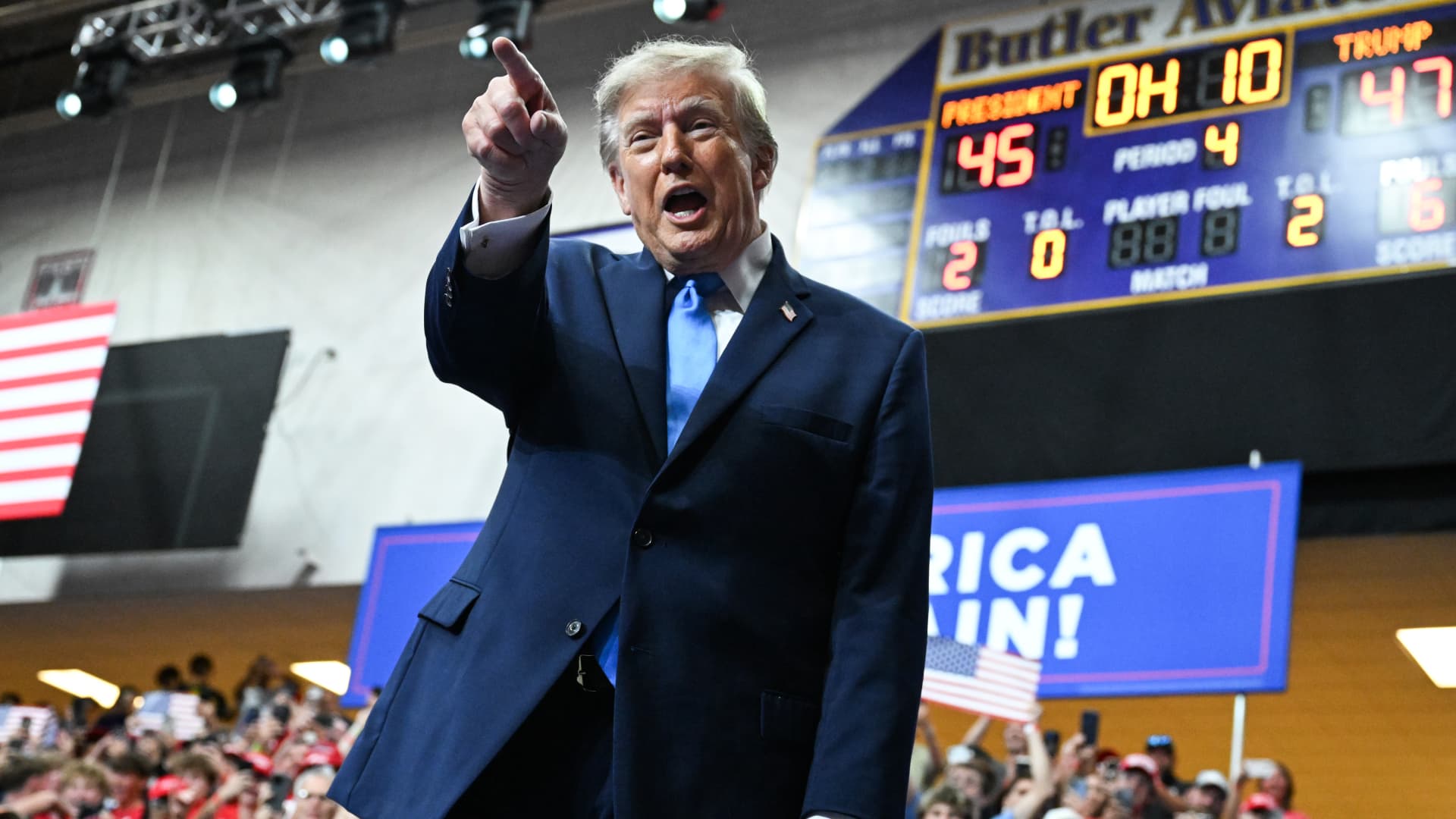
Trump's Economic Strategy in the Lead-Up to Midterm Elections
As the midterm elections approach, former President Donald Trump is reinforcing his economic messaging, particularly his pledge to implement a $5,000 dividend for American citizens, contingent upon Republican success in retaining control of Congress. This promise is part of a broader strategy aimed at energizing his base and appealing to undecided voters by highlighting economic support measures. Trump's approach underscores the intersection of fiscal policy and political strategy as candidates vie for electoral success.
Current Federal Payment Programs: A Boost for Voters
In addition to his long-term pledge, Trump has been actively promoting existing federal payment programs that are currently in effect. These initiatives, designed to provide direct financial assistance to Americans, have gained traction as the nation grapples with inflation and economic uncertainty. By distributing smaller payments, Trump aims to demonstrate immediate economic relief, thereby reinforcing his narrative of being a proponent of financial assistance to everyday citizens.
The $5,000 Promise: A Political Calculus
The $5,000 dividend promise is a significant element of Trump's campaign rhetoric. By framing this commitment as a reward for Republican electoral success, Trump is effectively linking economic incentives to political outcomes. This strategy not only seeks to galvanize the Republican base but also aims to sway independent voters who may be looking for tangible benefits in their daily lives. The promise serves as a rallying point, emphasizing a vision of economic prosperity that he argues can only be achieved through Republican leadership.
Impact of Economic Messaging on Voter Sentiment
Voter sentiment around economic issues is crucial in shaping electoral outcomes. As inflation remains a pressing concern for many Americans, Trump's emphasis on financial assistance resonates with constituents who are feeling the pinch of rising prices. By coupling his $5,000 promise with the distribution of smaller payments, Trump seeks to position himself and the Republican Party as champions of economic relief. This dual approach may enhance voter confidence in Republican candidates, particularly in battleground districts where economic issues are paramount.
Challenges to Implementation of the $5,000 Dividend
While the $5,000 dividend promise is appealing, its feasibility is subject to scrutiny. Critics question the practicality of such a large-scale financial commitment, especially in the context of national debt and budgetary constraints. Implementing this promise would require significant legislative action and bipartisan support, which may be challenging to achieve in a divided Congress. As such, the promise could be viewed as more of a political tool rather than a fully realizable policy.
Analyzing the Economic Landscape Ahead of Elections
The broader economic landscape will play a pivotal role in shaping the effectiveness of Trump's financial promises. Factors such as inflation rates, unemployment levels, and consumer confidence will influence voter perceptions and decisions. If economic conditions improve leading up to the elections, Trump's promises may be viewed more favorably. Conversely, persistent economic challenges could undermine his credibility and the perceived viability of his proposals.
Democratic Response: Countering the Narrative
In response to Trump's economic messaging, Democratic candidates are likely to emphasize their own approaches to economic relief and recovery. By highlighting their legislative achievements, such as infrastructure investments and social safety net enhancements, Democrats aim to present a contrasting vision of economic stewardship. This counter-narrative will be crucial in shaping voter perceptions and may influence the effectiveness of Trump's financial promises.
The Role of Billionaires in Shaping Economic Policy
The involvement of billionaire donors and business leaders in shaping economic policy cannot be overlooked in the context of midterm elections. Many influential figures within the Republican Party support Trump's economic initiatives, which could provide a financial backing that strengthens his campaign. However, this reliance on billionaire support raises questions about the influence of wealth on policy decisions and whether such alignment truly reflects the needs of average Americans.
Public Reception of Direct Payments and Economic Aid
The public's reception of direct payments and economic aid programs is generally positive, particularly among lower- and middle-income households. Studies indicate that such payments can lead to increased consumer spending, driving economic growth. As Trump continues to advocate for financial assistance, he taps into a wellspring of voter support that values direct economic relief. However, the sustainability of such measures remains a critical concern for policymakers.
Looking Ahead: Potential Outcomes of Trump's Economic Promises
The outcome of the midterm elections will be influenced not only by Trump's economic promises but also by the overall political climate. Should Republicans retain control of Congress, the likelihood of implementing the $5,000 dividend may increase, setting the stage for a potential economic overhaul. On the other hand, a Democratic resurgence could stymie such initiatives, leading to a reevaluation of economic strategies moving forward.
Conclusion: The Intersection of Politics and Economics
As the midterm elections draw near, Trump's pledge to issue $5,000 checks stands at the crossroads of political ambition and economic reality. By promoting both existing payment programs and his ambitious dividend promise, Trump seeks to engage voters on issues that resonate with their immediate financial concerns. The success of this strategy will depend on a myriad of factors, including voter sentiment, economic conditions, and the ability of both parties to articulate compelling narratives around fiscal responsibility and economic growth. The coming months will be crucial in determining how these dynamics play out in the electoral arena.