


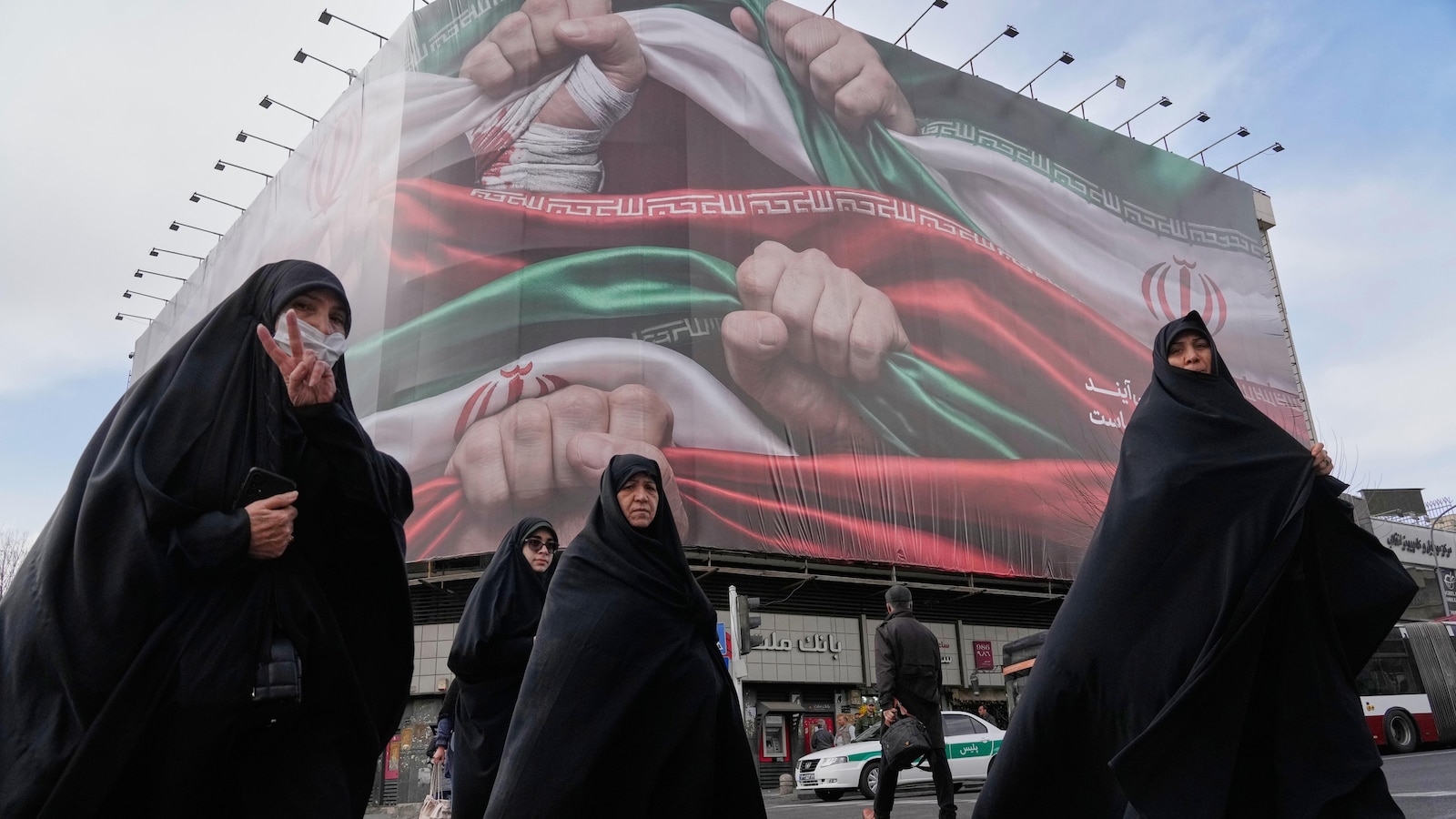
Iran's Diplomatic Maneuvering Amidst International Tensions
In a significant diplomatic response, Iran has summoned all European Union ambassadors stationed in the Islamic Republic. This action follows the EU's recent decision to designate Iran's Islamic Revolutionary Guard Corps (IRGC) as a terrorist organization. This move reflects the escalating tensions between Iran and Western nations, particularly in light of ongoing disputes surrounding Iran's nuclear program and its regional influence.
Impact on Iran-EU Relations
The decision by the EU to classify the IRGC as a terrorist group marks a pivotal moment in Iran-EU relations, which have been fraught with challenges since the U.S. withdrew from the nuclear agreement in 2018. The IRGC, a powerful military and political entity in Iran, plays a critical role in the country's foreign policy and its involvement in various regional conflicts. As such, the EU's designation is likely to exacerbate existing tensions and complicate diplomatic efforts aimed at stabilizing the region.
Economic Ramifications of the Designation
The designation of the IRGC as a terrorist organization could have far-reaching economic consequences for Iran. The IRGC is deeply intertwined with Iran's economy, controlling significant sectors including construction, telecommunications, and energy. The EU's decision may lead to increased sanctions, further isolating Iran from international markets and exacerbating the already dire economic situation in the country, which is grappling with high inflation and currency depreciation.
Reactions from Iranian Leadership
Iranian officials have condemned the EU's designation, labeling it a politically motivated move that undermines regional security. Iranian President Ebrahim Raisi has asserted that such actions will not deter the nation from pursuing its strategic interests. The Iranian leadership is likely to leverage this situation to rally domestic support, framing the EU's decision as an affront to national sovereignty and a continuation of Western hostility.
Global Implications of the Rising Tensions
The escalating tensions between Iran and the EU could have broader implications for global markets, particularly in the oil sector. Iran is a significant player in the global oil market, and any disruption in its oil exports could lead to fluctuations in prices, impacting not just regional economies but also global supply chains. Investors are closely monitoring the situation, as any further sanctions could hinder Iran's ability to export oil, which is a critical lifeline for its economy.
Potential for Negotiation and Dialogue
Despite the current tensions, there remains a potential pathway for negotiation and dialogue. The EU has historically played a role in mediating discussions between Iran and other global powers, particularly concerning the nuclear agreement. As both sides navigate this latest diplomatic crisis, there may be opportunities for backchannel communications aimed at de-escalating tensions. However, the path forward will require concessions and a willingness to engage in constructive dialogue.
Conclusion: A Critical Juncture for Iran
Iran's summoning of EU ambassadors highlights a critical juncture in the nation's foreign relations and economic stability. The designation of the IR