


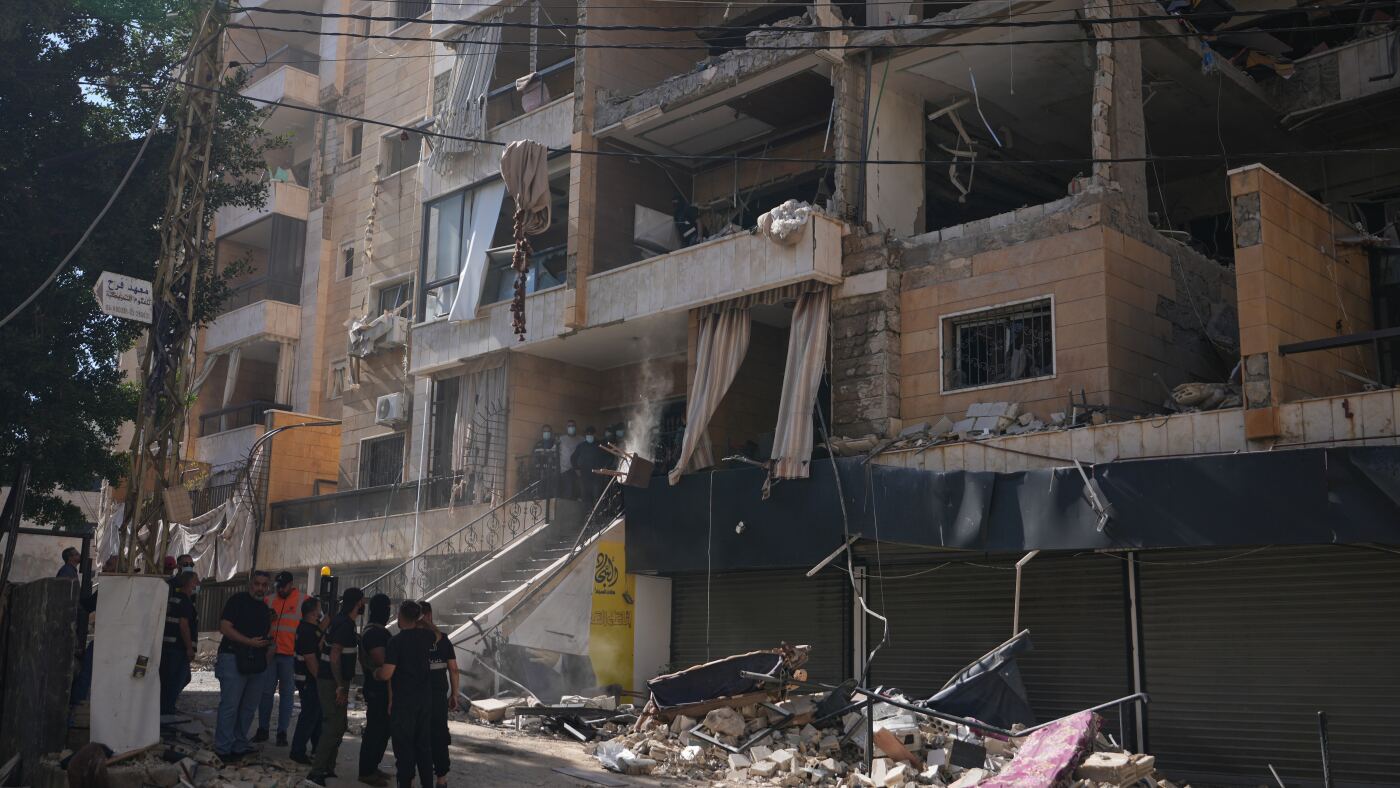
Overview of the Recent Escalation
The fragile ceasefire established in early April between Israel and various militant groups in the region has been dealt a significant blow following reports of an Iranian missile launch targeting Israel. This incident marks a notable escalation in hostilities and raises serious concerns regarding the stability of the ongoing ceasefire. The missile launch is viewed as a direct challenge to the temporary peace efforts that have been painstakingly negotiated and could have far-reaching implications for both regional security and international diplomatic relations.
Implications for Regional Stability
The missile attack underscores the precarious nature of the ceasefire, which had brought a brief respite to the ongoing conflict. Analysts warn that such aggressive actions from Iran could prompt a retaliatory response from Israel, which has historically taken a hardline stance against perceived threats. The potential for renewed military action could destabilize not only Israel but also its neighbors, complicating an already volatile geopolitical landscape in the Middle East.
Impact on Diplomatic Efforts
This recent incident complicates the mediation efforts that have been underway to establish a more permanent resolution to the conflict. International mediators, including various state actors and organizations, had hoped that the ceasefire would serve as a stepping stone toward a broader peace agreement. However, the missile launch may lead to a breakdown in negotiations, as Israel may feel compelled to adopt a more aggressive posture in response to the perceived threat from Iran.
Economic Repercussions for Israel
The missile attack could have immediate economic repercussions for Israel, particularly in sectors sensitive to security issues, such as tourism and foreign investment. Investors often view geopolitical tensions as a deterrent, leading to potential declines in stock prices and overall market instability. The Israeli economy, which has shown resilience in recent years, may face challenges if the situation escalates further, prompting investors to reassess their risk exposure in the region.
Global Market Reactions
In the wake of the missile launch, global markets have exhibited signs of volatility. Investors are closely monitoring developments in the Middle East, as any escalation could impact oil prices and global supply chains. The uncertainty surrounding the situation has already led to fluctuations in energy markets, with crude oil prices experiencing upward pressure as fears of conflict disrupt supply routes. Analysts indicate that sustained tensions could lead to more significant shifts in market dynamics.
The Role of International Actors
International actors, including the United States and European allies, are now faced with the challenge of navigating this new phase of conflict. The U.S. has historically been a staunch ally of Israel, and any military response from Israel could trigger a complex diplomatic situation, particularly if it leads to further Iranian retaliation. The potential for a wider conflict involving multiple regional players complicates the ability of international actors to mediate effectively.
Potential for Escalation
Given the history of military engagements between Israel and Iranian-backed groups, there is a tangible risk that this incident could lead to a broader escalation. Military analysts suggest that Israel may respond decisively to demonstrate its military capabilities and deter future attacks. Such actions, however, could provoke further Iranian retaliation, creating a cycle of violence that would be difficult to contain.
Public Sentiment in Israel
Public sentiment in Israel regarding the missile attack is likely to be one of heightened anxiety. Citizens have been accustomed to the realities of conflict, yet each new incident can reignite fears and lead to calls for stronger military responses. The Israeli government may face pressure from the public to act decisively, which could influence its strategic decisions moving forward.
Long-term Consequences for Peace Initiatives
The long-term consequences of this missile launch on peace initiatives in the region cannot be understated. While the ceasefire provided a temporary pause in hostilities, the attack serves as a stark reminder of the underlying tensions that continue to exist. Future peace negotiations may become increasingly difficult as trust erodes between the parties involved, particularly if retaliatory actions ensue.
Conclusion: A Critical Juncture
The missile launch from Iran represents a critical juncture in the ongoing conflict, one that has the potential to reshape the landscape of Middle Eastern geopolitics. As Israel and its allies assess their responses, the international community must remain vigilant in monitoring the implications of this incident. The fragile ceasefire, previously seen as a glimmer of hope for peace, now hangs in the balance, and the coming days and weeks will be crucial in determining whether diplomacy can prevail or if the region will descend into further conflict.