


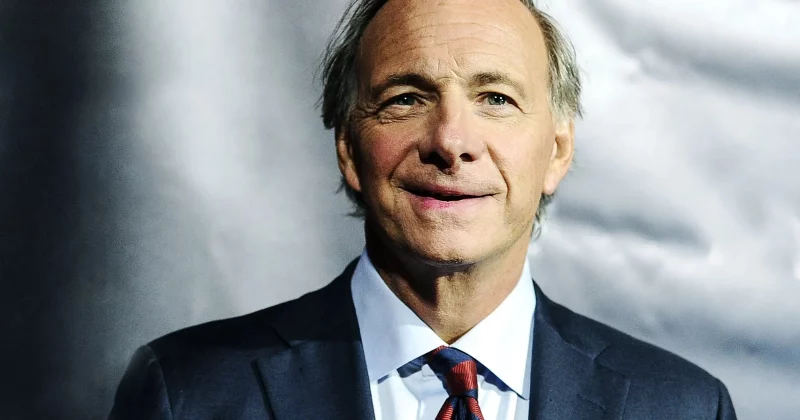
Dalio's Perspective on Bitcoin's Role in Financial Markets
Ray Dalio, the founder of Bridgewater Associates, has long been a prominent figure in the investment community, known for his insights into macroeconomic trends and asset allocation strategies. Recently, he has made headlines by voicing skepticism regarding Bitcoin's status as a safe-haven asset. In a landscape where cryptocurrencies have gained traction, Dalio's critique underscores the complexities surrounding Bitcoin's adoption, especially by institutional investors and central banks.
Volatility: The Achilles' Heel of Bitcoin
One of Dalio's primary concerns is Bitcoin's inherent volatility. Unlike traditional safe-haven assets such as gold, which have maintained a relatively stable value over the decades, Bitcoin has experienced significant price fluctuations. This volatility raises questions about Bitcoin's reliability as a store of value—a key characteristic that investors seek in safe-haven assets, particularly during times of economic uncertainty.
For instance, Bitcoin has witnessed dramatic price swings, often influenced by market sentiment, regulatory news, and macroeconomic factors. Such unpredictability can deter institutional investors, who typically prioritize stability and risk management in their portfolios. As central banks consider diversifying their reserves, the volatility associated with Bitcoin may be a substantial barrier to its adoption as a reserve asset.
Transparency Issues and Regulatory Challenges
Dalio also highlights transparency issues surrounding Bitcoin and other cryptocurrencies. Although the blockchain technology underpinning Bitcoin is designed to be transparent, the anonymity associated with transactions can lead to concerns about illicit activities, such as money laundering and tax evasion. This lack of regulatory clarity could hinder Bitcoin's acceptance among central banks, which operate under stringent compliance requirements.
The regulatory landscape for cryptocurrencies is evolving, but it remains a patchwork of rules and guidelines across different jurisdictions. For central banks, which require a high level of trust and regulatory oversight, the uncertain regulatory environment surrounding Bitcoin presents a significant obstacle. Dalio's critique reflects a broader sentiment among financial institutions that are cautious about integrating cryptocurrencies into their reserves.
The Enduring Appeal of Gold
In contrast to Bitcoin, Dalio maintains that gold continues to be a superior safe-haven asset. Throughout history, gold has proven its resilience during economic downturns and geopolitical tensions. It has a long-standing reputation as a hedge against inflation and currency devaluation, making it a favorite among conservative investors.
Gold's physical properties, coupled with its historical significance, contribute to its enduring appeal. As a tangible asset, gold is not subject to the same technological risks as cryptocurrencies, which can be affected by hacking, software bugs, or shifts in investor sentiment. Dalio's advocacy for gold aligns with a growing recognition among investors that, in times of crisis, traditional assets may offer a greater sense of security.
Institutional Adoption: A Diverging Path
The contrasting views on Bitcoin and gold also reflect the divergent paths of institutional adoption for these assets. While Bitcoin has garnered attention from a range of institutional investors, including hedge funds and public companies, its adoption as a reserve asset remains limited. In contrast, gold has consistently been a staple in institutional portfolios, with central banks around the world continuing to accumulate gold reserves as a hedge against economic instability.
Dalio's critique serves as a reminder that while Bitcoin may represent a groundbreaking innovation in finance, it still faces significant hurdles before it can be considered a viable alternative to traditional safe-haven assets. The growing interest in cryptocurrencies among retail investors has not yet translated into widespread acceptance among institutional players, who often prioritize stability and regulatory compliance over speculative opportunities.
The Future of Bitcoin and Gold in Investment Portfolios
As the investment landscape continues to evolve, the future of Bitcoin and gold will depend on various factors, including regulatory developments, market sentiment, and macroeconomic trends. While Bitcoin may eventually find its place in diversified portfolios, Dalio's skepticism highlights the need for further maturation of the cryptocurrency market.
Investors will likely continue to weigh the benefits and risks associated with both assets. For those seeking stability and a hedge against economic uncertainty, gold may remain the preferred choice. However, for investors willing to embrace higher risk in pursuit of potentially higher returns, Bitcoin may still hold appeal, albeit with caution.
The Broader Implications for Financial Stability
Dalio's critique of Bitcoin's safe-haven status also raises broader questions about financial stability in an increasingly digital world. As central banks explore the implications of digital currencies and the potential for central bank digital currencies (CBDCs), the role of traditional assets like gold may evolve. The introduction of CBDCs could reshape the landscape of reserve assets, potentially impacting demand for both Bitcoin and gold.
The future of money is uncertain, and as technological advancements continue to reshape the financial landscape, investors will need to remain vigilant and adaptable. While Bitcoin may not yet have proven itself as a safe-haven asset, its emergence has sparked important discussions about the future of currency, value, and investment strategies in a rapidly changing world.
Conclusion: Navigating the Complexities of Modern Investing
Ray Dalio's critique of Bitcoin underscores the complexities of modern investing, particularly in the context of emerging technologies and evolving market dynamics. While Bitcoin has captured the imagination of many investors, its suitability as a safe-haven asset remains in question. Dalio's preference for gold reflects a conservative approach to asset allocation, emphasizing stability and historical performance over speculative potential.
As investors navigate the intricate landscape of financial markets, understanding the strengths and weaknesses of various assets will be crucial. Whether one leans towards Bitcoin or gold, the key will be to maintain a balanced perspective and recognize the unique characteristics that each asset brings to the table.