


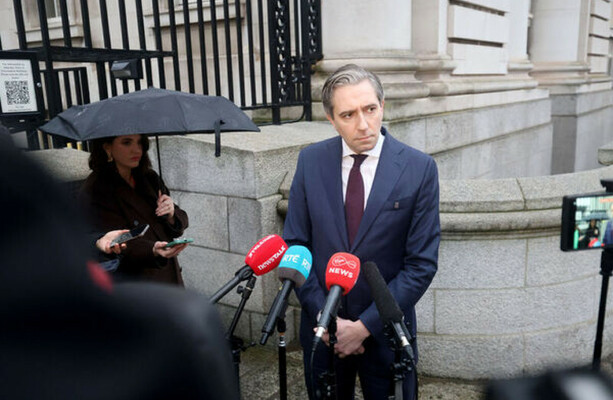
Introduction to the Saving Scheme Initiative
In an economic landscape characterized by low interest rates and stagnant savings growth, the recent proposal by Simon Harris to revamp Ireland's saving scheme has garnered significant attention. The initiative aims to encourage a shift from traditional saving habits to a more dynamic approach to investment, potentially unlocking billions currently sitting idle in low-interest accounts. As the government seeks to stimulate long-term financial growth, the success of Harris' plan hinges on its ability to foster a culture of investment among Irish citizens.
The Current State of Irish Savings
As of late 2023, Irish households collectively hold substantial savings, yet a significant portion remains in low-yield accounts. According to recent data, billions of euros are languishing in savings accounts that offer minimal returns, failing to keep pace with inflation. This trend reflects a broader issue where many individuals prioritize immediate liquidity over the potential benefits of investing for the long term. Harris' proposal seeks to address this disconnect, urging citizens to rethink their savings strategies.
Key Features of the Proposed Saving Scheme
The proposed saving scheme aims to introduce a range of investment options tailored to different risk appetites and financial goals. By offering a diversified portfolio that includes stocks, bonds, and even sustainable investment opportunities, the initiative seeks to make investing more accessible to the average Irish citizen. Harris emphasizes the importance of education and support, suggesting that the government should provide resources to help individuals make informed decisions about their financial futures.
Building a Culture of Long-Term Investing
At the heart of Harris' proposal is the need to cultivate a culture of long-term investing among the Irish populace. This shift requires not only innovative financial products but also a re-education on the benefits of investing. Financial literacy programs and workshops could play a crucial role in demystifying investment and highlighting the potential for greater returns over time compared to traditional saving methods. By changing the narrative around saving and investing, the government can empower citizens to take control of their financial destinies.
Potential Economic Impacts
If executed effectively, the saving scheme could have far-reaching implications for the Irish economy. Increased investment could stimulate growth in various sectors, leading to job creation and enhanced economic resilience. Moreover, by encouraging individuals to invest in local businesses and industries, the scheme could foster a stronger sense of community and support for domestic enterprises. This could ultimately contribute to a more robust and diversified economy, less reliant on external factors.
Challenges and Considerations
Despite the potential benefits, several challenges must be addressed for Harris' saving scheme to succeed. One significant hurdle is the inherent risk associated with investing. Many individuals remain hesitant to invest due to fears of loss, particularly in volatile markets. To counteract this apprehension, the government may need to explore options such as guaranteed returns for a portion of invested capital or tax incentives for long-term investors. Additionally, ensuring that the scheme is inclusive and accessible to all demographics will be critical to its success.
Engaging Financial Institutions
The role