


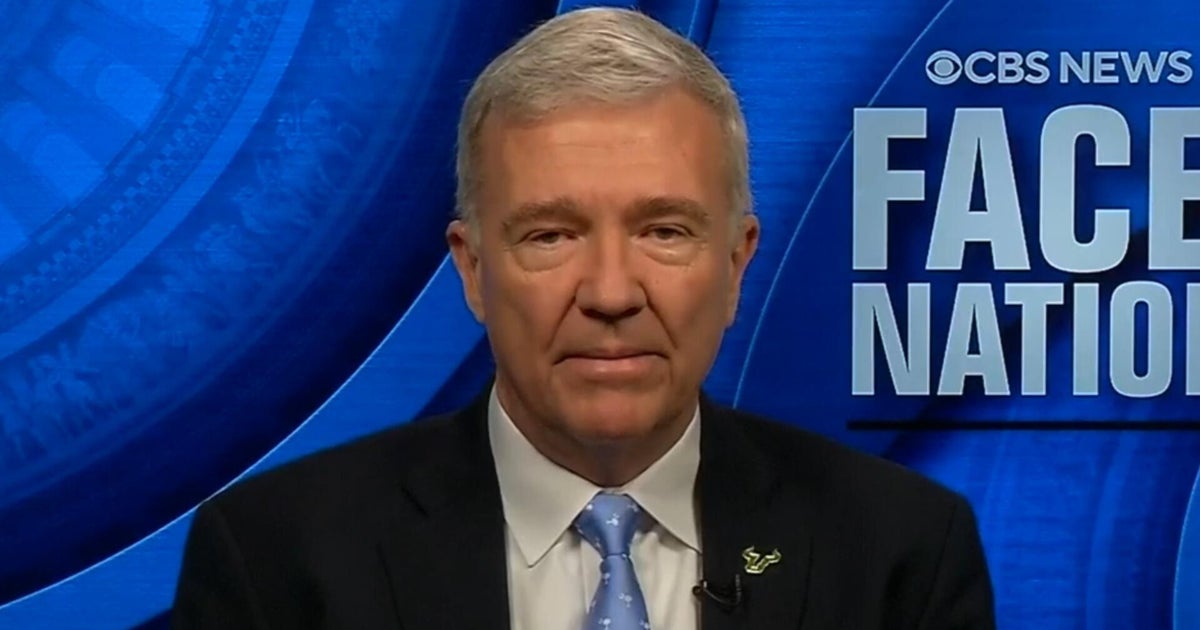
Strategic Insights from Gen. Frank McKenzie
In a recent interview with Margaret Brennan on "Face the Nation," retired General Frank McKenzie shared his insights on the evolving geopolitical landscape and its implications for U.S. military strategy and foreign policy. As the former commander of U.S. Central Command, McKenzie brings a wealth of experience and perspective on matters that directly impact global stability and economic conditions.
The Geopolitical Landscape in 2026
Gen. McKenzie opened the discussion by addressing the current geopolitical tensions, particularly in the Middle East and Asia. He emphasized the significance of understanding regional dynamics, which have been further complicated by the rise of non-state actors and the increasing influence of China. According to McKenzie, the U.S. must navigate these challenges with a multifaceted approach that combines military readiness with diplomatic engagement.
Military Readiness and Economic Implications
Discussing military readiness, McKenzie highlighted the importance of maintaining a robust defense posture. He pointed out that a well-prepared military not only serves as a deterrent against potential aggressors but also underpins economic stability. Investors often look to geopolitical stability as a key factor in market performance; thus, any perceived weakness in U.S. military capabilities can lead to increased market volatility.
China's Growing Influence
McKenzie’s remarks on China underscored the need for the U.S. to reassess its strategic priorities. He noted that China’s economic expansion and military modernization pose significant challenges. The general indicated that U.S. policy must adapt to counterbalance China's influence, particularly in critical regions such as the South China Sea and the Indo-Pacific. This shift in focus could lead to adjustments in defense spending, which may impact government budgets and, subsequently, the broader economy.
Energy Security and Global Markets
Energy security emerged as a crucial topic during the interview, with McKenzie asserting that the U.S. must safeguard its interests in energy-rich regions. He remarked that fluctuations in oil prices often correlate with geopolitical events, and any instability in the Middle East could lead to significant economic repercussions globally. As countries grapple with energy transitions, maintaining a stable supply chain remains critical for both national security and economic health.
Impact of Non-State Actors
The conversation also veered into the realm of non-state actors, such as terrorist organizations and cybercriminals. McKenzie warned that these entities can disrupt markets and create unforeseen economic challenges. He emphasized the need for a comprehensive strategy that includes intelligence sharing and international cooperation to mitigate these threats. The financial implications of cyberattacks, for instance, can reverberate through markets, affecting investor confidence.
The Role of Diplomacy in Economic Stability
McKenzie underscored the importance of diplomacy as a tool for achieving long-term stability. He advocated for increased engagement with allies and regional partners to foster collaborative security efforts. Diplomatic initiatives can help alleviate tensions and prevent conflicts, which are crucial for maintaining a stable economic environment. The general’s insights suggest that the U.S. must leverage its diplomatic channels to create a favorable climate for trade and investment.
Future of U.S. Foreign Policy
Looking ahead, McKenzie articulated a vision for U.S. foreign policy that balances military strength with diplomatic efforts. He stressed the necessity for a cohesive strategy that aligns military objectives with economic interests. As the global landscape continues to evolve, the U.S. must remain agile and adaptable, ensuring that its foreign policy reflects the complexities of the modern world.
Investment Considerations Amid Geopolitical Uncertainty
Investors should take note of McKenzie’s assertions regarding the interplay between military readiness and economic conditions. As geopolitical tensions rise, sectors such as defense, energy, and cybersecurity may experience heightened activity. Companies operating in these areas could see increased investments, driven by both government spending and private sector demand. Additionally, the potential for market fluctuations necessitates a cautious approach from investors, who must remain vigilant to geopolitical developments.
Public Perception of Military Engagement
McKenzie also addressed the public's perception of military engagement, noting that sustained military involvement can lead to wariness among the electorate. He emphasized the importance of transparent communication about military objectives and outcomes. In an era where public opinion can influence policy decisions, military leaders must articulate the rationale behind actions taken and their broader implications for national security and economic prosperity.
Conclusion: The Intersection of Military Strategy and Economic Stability
In conclusion, Gen. Frank McKenzie’s insights during his interview with Margaret Brennan shed light on the intricate connections between military strategy and economic stability. As the U.S. navigates a complex geopolitical landscape, understanding these dynamics will be crucial for policymakers and investors alike. The interplay of military readiness, diplomatic efforts, and economic considerations will shape the future of U.S. foreign policy and its impact on global markets.