


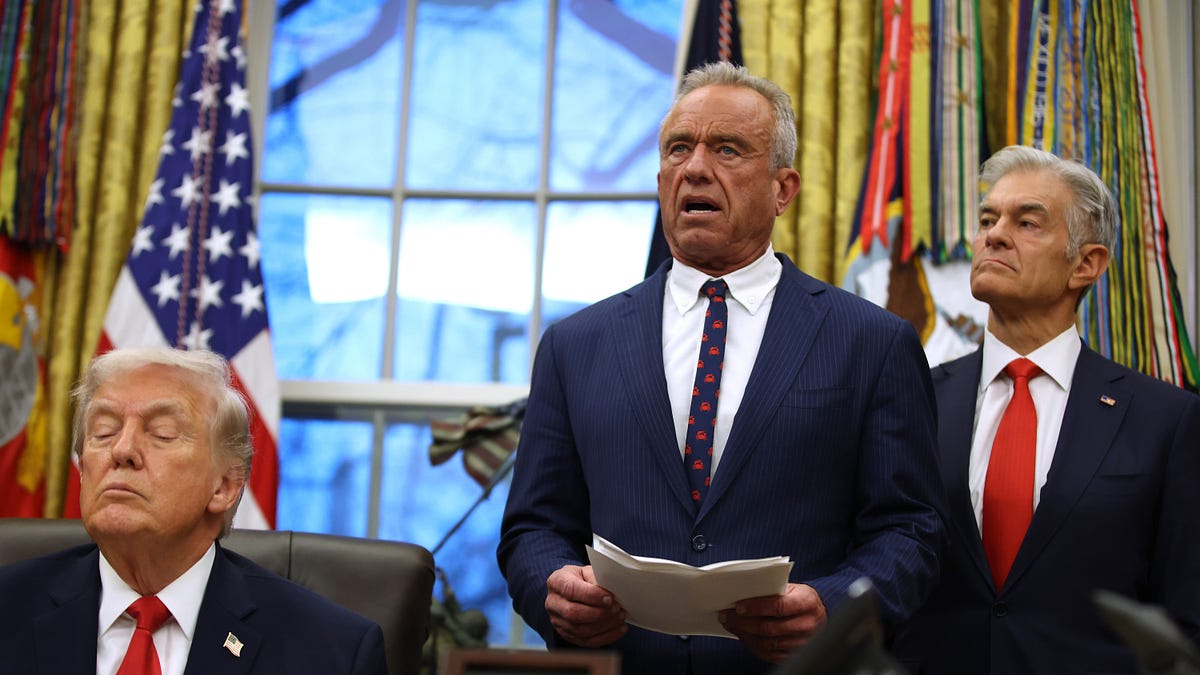
Introduction: A Shift in Public Health Policy
Former President Donald Trump’s approach to public health has come under scrutiny since the onset of the COVID-19 pandemic. Initially, the administration's response was characterized by a mix of decisive action and controversial rhetoric. However, as the pandemic evolved, so too did Trump's public health strategies, leading to a perception that his focus on health issues has diminished significantly. This article explores the implications of this shift on public health policy and its potential impact on the economy and markets.
Initial Response to COVID-19: Mixed Signals
At the beginning of the COVID-19 pandemic, the Trump administration took several steps aimed at curbing the spread of the virus. The establishment of the White House Coronavirus Task Force, along with the implementation of travel restrictions and the rapid development of vaccines through Operation Warp Speed, showcased a proactive approach. However, mixed messaging regarding mask-wearing and social distancing undermined these efforts, leading to confusion among the public and health officials alike.
Post-Pandemic Health Initiatives: A Decline in Focus
As the pandemic progressed and vaccination rates increased, Trump's public health initiatives appeared to wane. Critics argue that the former president shifted his focus towards economic recovery and political campaigning, sidelining crucial public health discussions. This shift has raised concerns among health experts, who warn that neglecting public health can have long-term repercussions, particularly as new variants of the virus emerge.
Impact on Public Trust in Health Institutions
One of the most significant consequences of Trump's evolving stance on public health has been the erosion of trust in health institutions. The politicization of health issues during his presidency led to a divided public, with many Americans questioning the guidance from the Centers for Disease Control and Prevention (CDC) and the Food and Drug Administration (FDA). This skepticism complicates efforts to manage not only COVID-19 but also other public health challenges, such as vaccination campaigns for diseases like measles and polio.
Economic Consequences of Diminished Health Focus
The interplay between public health and economic stability cannot be overlooked. Trump's reduced emphasis on health policy may lead to adverse economic consequences. A resurgence of COVID-19 cases, driven by vaccine hesitancy and a lack of public health infrastructure, could result in renewed lockdowns and restrictions. Such measures would have a direct impact on businesses, particularly in the hospitality, travel, and retail sectors, which are still recovering from the initial pandemic shock.
The Role of Billionaires in Shaping Public Health Discourse
In the backdrop of Trump's waning public health focus, several billionaires have stepped into the spotlight, using their resources and influence to address health issues. Philanthropists like Bill Gates and Mark Zuckerberg have invested in global health initiatives, emphasizing the importance of vaccination and public health infrastructure. Their involvement highlights a growing trend where private wealth is increasingly filling the gaps left by public policy, raising questions about the role of billionaires in shaping health discourse.