


Escalation in U.S.-Iran Tensions Amid Oil Market Dynamics
The geopolitical landscape surrounding oil exports from the Persian Gulf has taken a significant turn as the Trump administration continues to impose stringent measures on Iran while simultaneously ramping up support for oil shipments from the region. Recent reports indicate that the volume of crude oil exiting the U.S. blockade line has surged to an estimated 13 million barrels per day. This development is not only reshaping the dynamics of the oil market but also intensifying the long-standing tensions between the U.S. and Iran.
Strategic Military Presence in the Persian Gulf
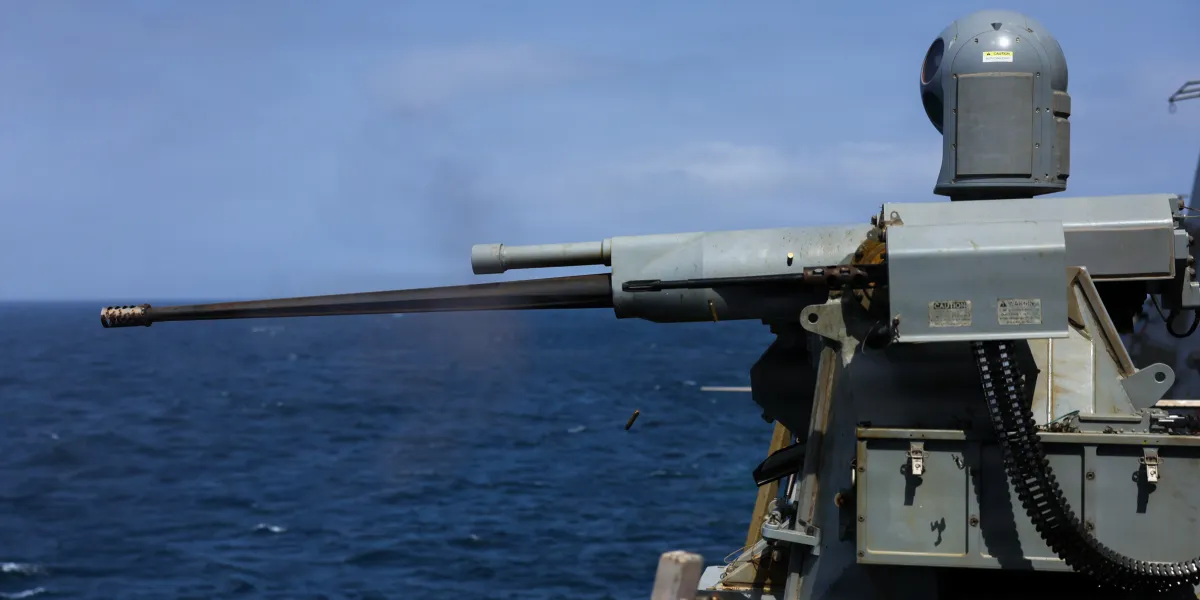
The U.S. military's increased presence in the Persian Gulf is a pivotal element of this strategy. With naval forces now guiding commercial ships through the Strait of Hormuz—an essential conduit for global oil trade—U.S. officials have signaled a robust commitment to ensuring the security of these vital shipping lanes. This military involvement marks a departure from previous tactics, as operations are being conducted in broad daylight, underscoring the U.S. resolve in the face of potential Iranian provocations.
Impact on Global Oil Markets
The doubling of oil volumes exiting the Persian Gulf comes at a critical juncture for global oil markets. As supply chains are strained due to geopolitical tensions, the influx of crude oil is likely to exert downward pressure on prices. Analysts suggest that this increase in supply, coupled with the U.S. military's active role, may alter the traditional pricing dynamics that have long been influenced by Middle Eastern tensions. Investors are closely monitoring these developments, as they could signal a shift in market sentiment regarding oil availability and pricing stability.
Iran’s Response to U.S. Policies
In response to the U.S. tightening of the noose around its oil exports, Iran has ramped up its rhetoric against the U.S., accusing it of exacerbating regional instability. Iranian officials have vowed to protect their interests and have hinted at potential retaliatory measures against U.S. assets in the region. The Iranian government’s determination to maintain its oil exports, even amidst U.S. sanctions, highlights the complex interplay of resilience and vulnerability in its economic strategy.
Billionaire Interests and Oil Supply Chains
The evolving situation also has significant implications for billionaire investors and oil magnates who are heavily invested in global oil supply chains. With the U.S. facilitating increased oil flow from the Gulf, investors are likely recalibrating their strategies to capitalize on potential price fluctuations. Notable figures in the oil industry are expected to leverage this moment to either bolster their positions or diversify their portfolios in anticipation of future shifts in policy and market dynamics.
Environmental Considerations Amid Oil Surge
As oil volumes increase, environmental concerns are rising to the forefront of discussions. The U.S. military's involvement in guiding tankers through the Strait of Hormuz raises questions about the ecological impact of heightened shipping activity in the region. Environmental advocates are calling for greater scrutiny and a balanced approach that considers both economic interests and the potential risks posed to marine ecosystems. The ongoing debate underscores the complexities of managing oil exports in a manner that is sustainable and environmentally responsible.
Future Outlook for U.S.-Iran Relations
The trajectory of U.S.-Iran relations remains uncertain as the Trump administration pursues a policy of maximum pressure while simultaneously increasing military support in the Gulf. The potential for conflict remains a significant concern, particularly if Iranian forces perceive U.S. actions as provocative. Analysts are divided on the likelihood of diplomatic engagement, with some suggesting that the current administration may be willing to negotiate under specific conditions, while others forecast continued hostilities.
Market Reactions and Investor Sentiment
Market reactions to these developments have been mixed, reflecting investor sentiment that is both cautious and opportunistic. While some traders are betting on lower oil prices due to increased supply, others are hedging against potential disruptions arising from geopolitical tensions. This dichotomy in market behavior illustrates the complexity of navigating investments in an environment characterized by uncertainty and volatility.
The Broader Implications for Energy Policy
These events are likely to prompt a reevaluation of energy policies not only in the U.S. but also among its allies. With the shift in oil volumes and the U.S. military’s active role, other nations may reconsider their strategies for energy security and trade. The implications of U.S. policies on global energy markets could reverberate far beyond the Persian Gulf, influencing how countries approach their own energy independence and partnerships.
Conclusion: A Pivotal Moment for Oil and Geopolitics
The current situation in the Persian Gulf represents a pivotal moment for both oil markets and geopolitical relations. As the U.S. enhances its military support for oil exports while continuing to apply pressure on Iran, the ramifications of these actions will likely be felt across the globe. Investors, policymakers, and environmental advocates will need to navigate this complex landscape as the interplay of military strategy, market dynamics, and international relations continues to evolve. The coming months will be crucial in determining not only the future of U.S.-Iran relations but also the stability of global oil markets and the broader geopolitical order.