


Market Reaction to Geopolitical Tensions
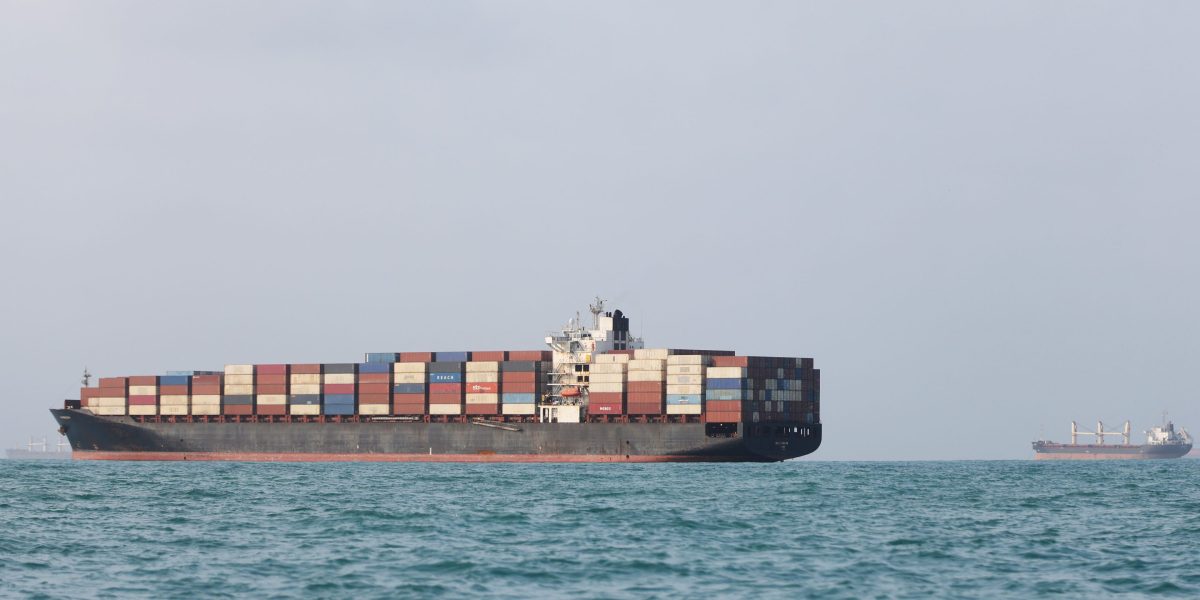
U.S. stock markets experienced a notable decline following Iran's announcement that the Strait of Hormuz will remain shut, a critical passage for global oil shipments. This development has reignited fears of supply disruptions in a volatile geopolitical landscape, with many investors reassessing their positions amid rising tensions in the Middle East. The Strait of Hormuz is a vital artery that facilitates approximately 20% of the world's oil trade, making any obstruction a significant concern for markets and economies reliant on stable energy supplies.
Investors Brace for Volatility
The negative sentiment was palpable across major indices, with the S&P 500 and Dow Jones Industrial Average both registering losses at the opening bell. Analysts noted that the market's reaction reflects a broader anxiety regarding inflationary pressures and potential interest rate hikes by the Federal Reserve. As energy prices soar in response to the news, concerns about rising inflation have intensified, leading to a complex interplay between geopolitical events and domestic economic indicators.
Inflation Outlook Remains Uncertain
Despite the immediate market response, analysts are divided on the implications for inflation and interest rates in the coming months. Some experts argue that sustained disruptions in oil supply could exacerbate inflationary pressures, prompting the Federal Reserve to adopt a more aggressive stance on interest rate hikes. Others, however, believe that the current economic fundamentals may not support such drastic measures, suggesting that the Fed may choose to tread carefully in its monetary policy decisions.
Sector Performance Under Pressure
The energy sector, typically resilient during geopolitical unrest, faced mixed results as oil prices surged. While companies in the oil and gas industry saw their stock prices rise, other sectors, particularly consumer discretionary and technology, struggled to maintain momentum. The dichotomy in sector performance underscores the interconnectedness of global events and domestic economic health, illustrating how external factors can influence investor sentiment across the board.
Fed's Dilemma: Inflation vs. Growth
The Federal Reserve finds itself in a precarious position as it navigates the delicate balance between curbing inflation and fostering economic growth. Recent economic data has shown signs of resilience, with unemployment rates remaining low and consumer spending holding steady. However, the Fed's primary mandate is to maintain price stability, and the recent spike in oil prices could complicate its objectives. Market participants are keenly watching for any signals from Fed officials regarding future rate hikes, particularly in light of the ongoing geopolitical tensions.
Global Implications of U.S. Stock Declines
The decline in U.S. stocks is also likely to have ripple effects on global markets. As investors react to the uncertainty surrounding oil supplies, foreign markets may experience similar volatility. European and Asian markets, which are heavily reliant on oil imports, could see downward pressure as rising energy costs impact consumer behavior and corporate profitability. Additionally, emerging markets that depend on stable energy prices may face increased economic challenges, further complicating the global economic landscape.
Investor Sentiment and Market Strategies
In light of the recent developments, investor sentiment remains cautious. Many are reevaluating their portfolios and considering strategies to hedge against potential market volatility. Some analysts advocate for a diversified approach, emphasizing the importance of assets that can withstand inflationary pressures, such as commodities and real estate. Others suggest focusing on sectors that may benefit from increased government spending or infrastructure investments, which could provide stability amid geopolitical uncertainties.
Long-Term Considerations: Oil Market Dynamics
Looking beyond the immediate impact of Iran's announcement, analysts are examining the long-term dynamics of the oil market. The potential for sustained disruptions in the Strait of Hormuz could lead to structural changes in global energy supply chains. Companies may look to diversify their sources of oil and gas, exploring alternative routes and energy sources to mitigate risk. This shift could have implications for energy prices and investment strategies in the sector, as businesses adapt to a more unpredictable geopolitical environment.
Conclusion: Navigating Uncertainty
The recent announcement from Iran regarding the Strait of Hormuz has underscored the fragility of global markets in the face of geopolitical events. As U.S. stocks decline, investors are left to navigate a complex landscape characterized by rising inflation concerns and uncertainty surrounding monetary policy. While the immediate market reaction has been negative, the long-term implications of these developments remain to be seen. Stakeholders across the financial spectrum will need to remain vigilant, adapting their strategies to address the evolving challenges and opportunities presented by an increasingly interconnected world.