


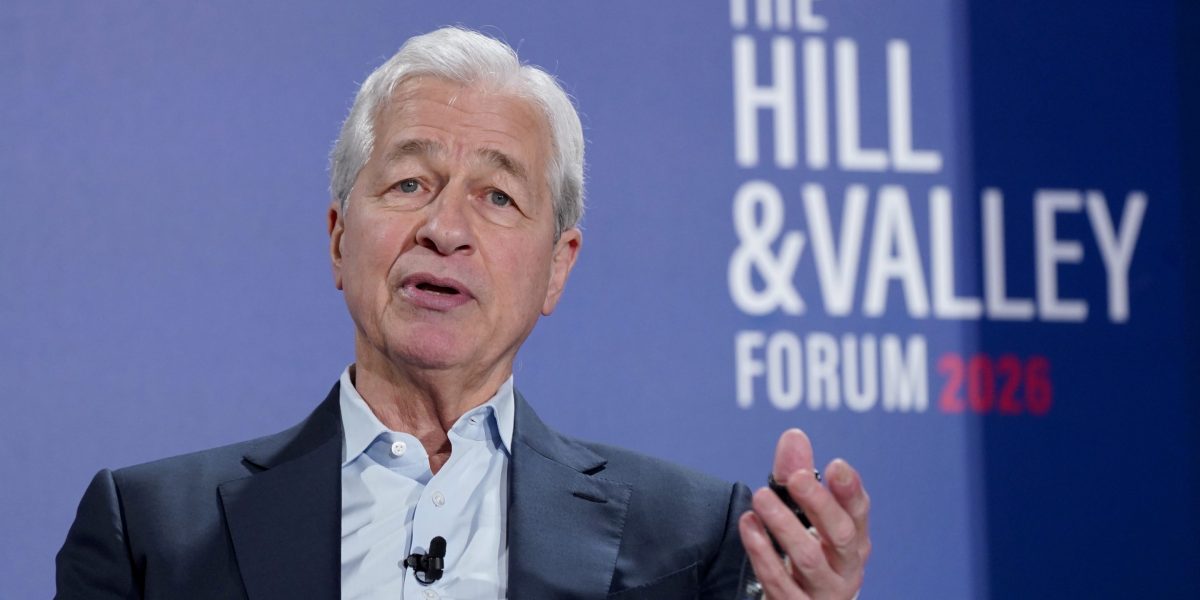
Dimon’s Perspective: A Shift in Global Financial Power
In a recent address, JPMorgan Chase CEO Jamie Dimon articulated a growing concern among American business leaders regarding the shifting dynamics of global financial power. He suggested that the United States is increasingly mirroring Europe in its economic challenges, particularly as it contends with rising competition from China. Dimon emphasized that the U.S. must adapt to this changing landscape to maintain its leadership position in the global economy.
Dimon's remarks come at a time when China is not only expanding its economic footprint but also enhancing its geopolitical influence. The Chinese government's strategic investments and initiatives, particularly in technology and infrastructure, have positioned it as a formidable competitor to the U.S. This competition extends beyond mere economics; it includes technological advancements, military capabilities, and diplomatic relations.
China’s Ascendancy: A Challenge for U.S. Businesses
As China continues to rise, U.S. businesses face increasing pressure to innovate and adapt. Dimon pointed out that the Chinese economy is not just growing; it is evolving in ways that challenge traditional American dominance. With advancements in artificial intelligence, renewable energy, and digital finance, China is making strides that could reshape global market dynamics.
Dimon underscored the importance of maintaining a competitive edge through innovation and investment in key sectors. He believes that the U.S. must prioritize education and workforce development to prepare for the challenges posed by China's rapid advancements. This perspective resonates with many business leaders who see the need for a renewed focus on research and development to keep pace with global competitors.
The Middle East: A New Era of Stability?
In addition to discussing the competitive landscape with China, Dimon touched upon the ongoing conflict involving Iran, which he suggested could potentially lead to a more stable Middle East. He expressed optimism about the likelihood of peace in the region, particularly given the interests of major players like Saudi Arabia, the United Arab Emirates, and Qatar.
Dimon believes that these countries are increasingly recognizing the benefits of stability and cooperation over conflict. The desire for peace, he argues, is driven by economic interests and the need for regional security. A stable Middle East could open new markets for American businesses, providing opportunities for investment and trade that have been hampered by decades of conflict.
The Economic Implications of Middle Eastern Stability
The potential for a peaceful resolution to conflicts in the Middle East carries significant economic implications. Dimon pointed out that a stable region could enhance energy security, lower oil prices, and foster an environment conducive to investment. This, in turn, could benefit not only the countries involved but also the global economy as a whole.
For U.S. businesses, a more stable Middle East means greater access to emerging markets and reduced risks associated with geopolitical instability. The prospect of increased trade and investment opportunities could revitalize sectors ranging from energy to technology, providing a much-needed boost to the American economy.
Balancing Global Relations: The Role of U.S. Diplomacy