


Introduction to Subsense and its Vision
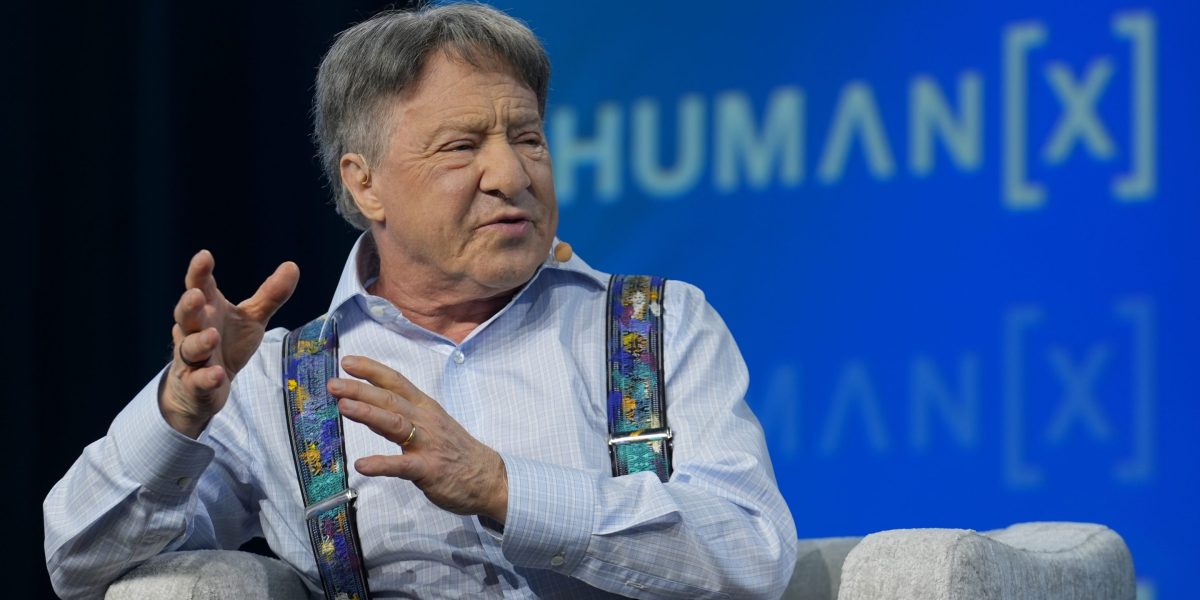
In an era where artificial intelligence continues to redefine the boundaries of technology, Ray Kurzweil, a prominent figure known for his visionary ideas on AI and human enhancement, is joining forces with Subsense, a Silicon Valley startup. This partnership aims to develop an innovative brain-computer interface that promises to revolutionize how humans interact with machines. Unlike traditional methods, which often require invasive surgical procedures, Subsense's approach utilizes nano particles delivered through nasal inhalation, potentially creating a less risky and more accessible option for users.
The Promise of Non-Invasive Brain-Computer Interfaces
Subsense's technology stands out in the competitive landscape of brain-computer interfaces (BCIs), particularly as it seeks to rival established players such as Elon Musk's Neuralink. While Neuralink has garnered significant attention for its surgical implants that aim to facilitate direct communication between the brain and computers, Subsense's non-invasive method could attract a broader audience. By eliminating the need for surgical intervention, the company may appeal to individuals who are hesitant to undergo invasive procedures, thereby democratizing access to advanced cognitive technologies.
Understanding the Mechanism: Nano Particles and Brain Connectivity
The core innovation behind Subsense's BCI lies in its utilization of nano particles, which are designed to interact with neural circuitry in the brain. These particles, administered through a simple nasal spray, are engineered to cross the blood-brain barrier, a significant challenge in neurotechnology. Once inside the brain, the nano particles are intended to enhance connectivity between neurons, allowing users to communicate with devices through thought alone.
This groundbreaking approach could pave the way for new applications, ranging from assisting individuals with disabilities to enhancing cognitive performance in healthy individuals. By focusing on a non-invasive delivery system, Subsense may not only streamline the user experience but also mitigate the risks associated with traditional BCI methods.
Market Implications and Competitive Landscape
The entrance of Subsense into the brain-computer interface market adds a new layer of competition, one that could disrupt the existing dynamics. As the field of neurotechnology continues to expand, the demand for non-invasive solutions is likely to grow. Investors and industry stakeholders are closely monitoring the progress of both Subsense and Neuralink, as the success of these ventures could significantly impact the broader landscape of technology and healthcare.
Moreover, the potential for partnerships with healthcare providers and technology companies could enhance Subsense's market position. By collaborating with established entities, the startup could accelerate the development and distribution of its products, ultimately bringing its technology to market more swiftly.
Ray Kurzweil: A Visionary’s Influence on the Future of AI
Ray Kurzweil's involvement with Subsense is particularly noteworthy given his extensive background in AI and futurism. As a co-founder of Singularity University and a director of engineering at Google, Kurzweil has been a vocal advocate for the integration of technology into the human experience. His insights into the potential of AI and biotechnology could provide invaluable guidance as Subsense navigates the complex landscape of neurotechnology.
Kurzweil's vision encompasses not only the enhancement of cognitive abilities but also the ethical implications of merging human intelligence with artificial systems. His participation in Subsense may signal a commitment to ensuring that the development of such technologies aligns with societal values and addresses potential concerns surrounding privacy, security, and accessibility.
Potential Ethical Considerations
The emergence of brain-computer interfaces raises several ethical questions that stakeholders must address. As Subsense moves forward with its development, considerations surrounding consent, data privacy, and the potential for misuse will be critical. The ability to interface directly with the brain could lead to unprecedented levels of connectivity, but it also poses risks related to mental autonomy and the potential for cognitive manipulation.
Moreover, the implications of such technology on societal norms and human identity cannot be understated. As individuals gain the ability to enhance their cognitive capabilities or communicate with machines seamlessly, the definitions of intelligence and human experience may evolve. Addressing these ethical dilemmas will be crucial as Subsense and similar companies work towards commercialization.
Investment Landscape and Future Projections
The financial landscape for brain-computer interfaces is rapidly evolving, with significant investments pouring into the sector. As interest in neurotechnology grows, venture capitalists and institutional investors are increasingly keen on funding companies that promise to deliver innovative solutions. Subsense, with its unique non-invasive approach, could attract substantial investment, particularly if it demonstrates promising results in early trials.
Market analysts project that the global brain-computer interface market could reach several billion dollars in the coming years, driven by advancements in technology and increasing applications in healthcare, gaming, and communication. As Subsense positions itself as a key player in this burgeoning market, its ability to secure funding and partnerships will be pivotal to its long-term success.
Conclusion: A New Era of Human-Machine Interaction
The collaboration between Ray Kurzweil and Subsense marks a significant step forward in the evolution of brain-computer interfaces. By prioritizing a non-invasive approach, the startup not only sets itself apart from competitors but also opens the door for broader acceptance of neurotechnology among the general public. As the company progresses with its development, the implications of its technology could reshape our understanding of human-machine interaction and redefine the future of cognitive enhancement.
As the landscape of brain-computer interfaces continues to unfold, stakeholders across the technology and healthcare sectors will be watching closely. The success of Subsense could serve as a pivotal moment in the quest to integrate human cognition with advanced technology, promising to usher in a new era of possibilities.