


The Starshield Controversy: A Shift in Military Support
The ongoing conflict in Ukraine has not only reshaped geopolitical alliances but also provoked significant shifts in military technology and support. A recent point of contention has emerged regarding the Starshield satellite communications system, which has become a critical asset for the Ukrainian military. Ukrainian President Volodymyr Zelenskyy has publicly expressed concerns that the U.S. government is responsible for the military's diminished access to this vital service, raising questions about the future of U.S.-Ukraine relations amidst a protracted war.
Understanding Starshield's Role in Modern Warfare
Starshield, a satellite communications service developed by a prominent American aerospace and defense company, plays a crucial role in providing secure and reliable communications for military operations. Its capabilities include real-time data transmission and enhanced connectivity for ground forces, which are essential in modern warfare where information superiority can dictate the outcome of engagements. For Ukraine, access to such technology has been pivotal in its resistance against Russian aggression.
Zelenskyy's Allegations: A Call for Accountability
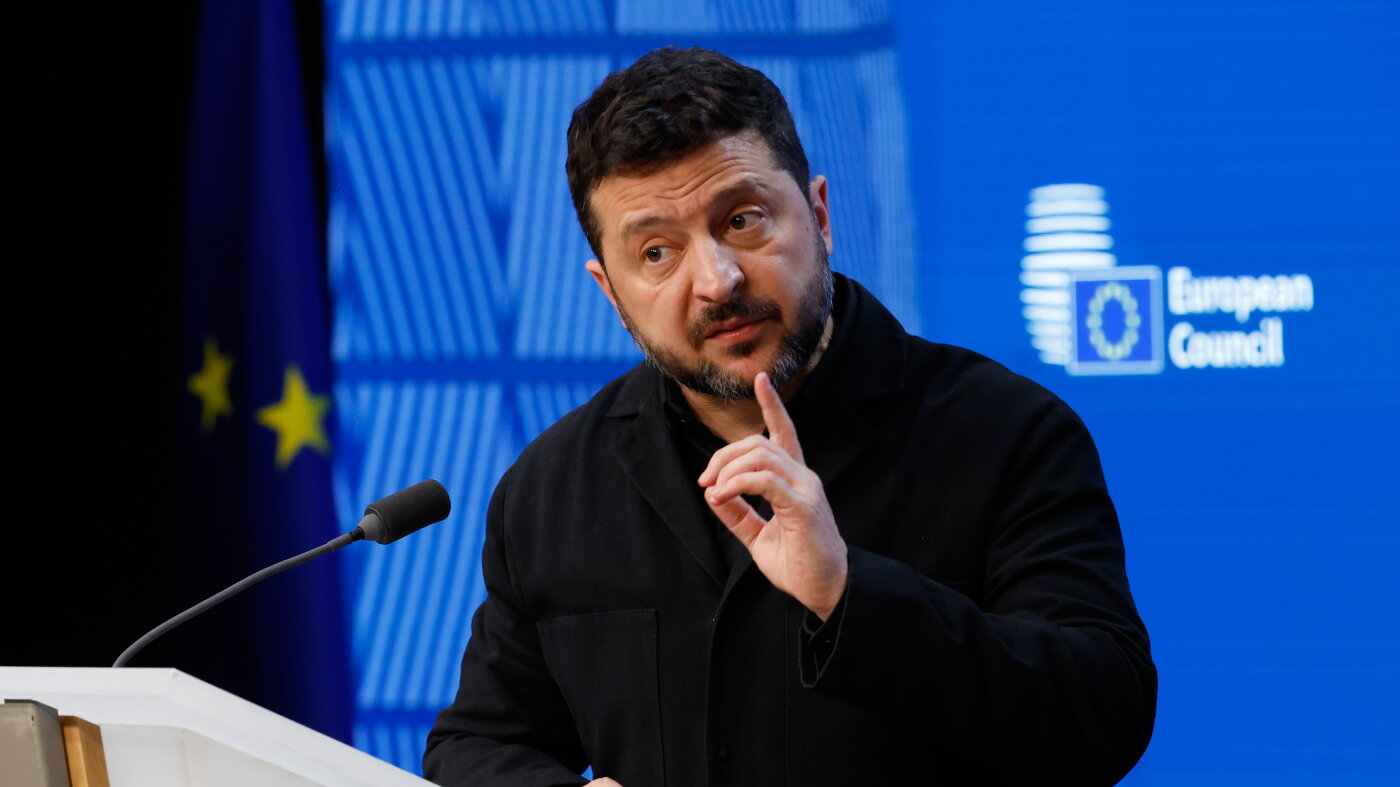
In a recent address, President Zelenskyy suggested that the U.S. government's actions—or inactions—have directly contributed to the Ukrainian military's operational challenges. He emphasized that the loss of normal access to Starshield has hindered the effectiveness of Ukrainian forces on the battlefield. Zelenskyy's remarks reflect a growing frustration within Ukraine regarding perceived limitations imposed by its allies, particularly the United States, which has been a key supporter of Ukraine since the onset of the conflict.
The U.S. Perspective: Balancing Support and Strategic Interests
From the U.S. standpoint, the situation presents a complex balancing act between supporting Ukraine and managing its own strategic interests. The Biden administration has committed substantial resources to assist Ukraine, including financial aid, military equipment, and intelligence support. However, U.S. officials are also tasked with ensuring that such support does not escalate the conflict beyond its current parameters or provoke a wider confrontation with Russia.
Implications for U.S.-Ukraine Relations
Zelenskyy's comments have sparked a dialogue about the future of U.S.-Ukraine relations and the potential for a recalibration of military support. The ramifications of any shift in access to Starshield could have profound implications for Ukraine's defense strategy. As the conflict persists, the Ukrainian military's reliance on advanced technologies like Starshield may become increasingly critical, raising the stakes for both nations.
Analyzing the Financial Impact of Starshield Access
The financial implications of access to Starshield extend beyond military strategy; they also encompass broader economic considerations. The U.S. defense industry stands to benefit significantly from contracts related to satellite technology and military communications systems. Conversely, any disruption in Ukraine's access to these services could impact defense contracts and the overall economic landscape in both nations.
Potential for Diplomatic Solutions
As tensions rise over Starshield, diplomatic channels remain crucial for resolving the dispute. Both nations have historically navigated complex relationships, and the current situation may necessitate renewed dialogue to address Ukraine's needs while considering U.S. security concerns. Diplomatic efforts could focus on establishing clearer protocols for military support and access to critical technologies, which may alleviate some of the current tensions.
The Broader Geopolitical Context
The dispute over Starshield is not occurring in isolation; it is part of a larger geopolitical landscape marked by shifting alliances and power dynamics. The U.S. and its allies are closely monitoring Russia's actions, and any perceived weakening of support for Ukraine could embolden adversarial nations. Thus, the outcome of this situation could have implications that extend well beyond the bilateral relationship between the U.S. and Ukraine.
Public Sentiment and Its Influence on Policy
Public opinion in both countries plays a significant role in shaping policy decisions regarding military support. In the U.S., there has been a mixture of support and skepticism regarding continued aid to Ukraine, particularly as the conflict drags on. In Ukraine, public sentiment strongly favors Western support, yet there is also a growing impatience for more decisive action. How leaders respond to these sentiments may dictate the future trajectory of military collaboration.
Future Prospects for Starshield and Military Technology
The future of Starshield and similar military technologies will likely be influenced by ongoing discussions surrounding the conflict. As both nations assess their strategic goals, it is plausible that new frameworks for military support will emerge, potentially leading to enhanced access for Ukraine to critical technologies. This could also prompt discussions within the U.S. defense sector regarding innovation and investment in military communications.
Conclusion: Navigating Uncertainty in U.S.-Ukraine Relations
The current impasse over Starshield illustrates the complexities inherent in U.S.-Ukraine relations amid a rapidly evolving conflict. As both nations navigate the intricacies of military support and strategic interests, the outcome will significantly influence not only the operational capabilities of the Ukrainian military but also the broader geopolitical landscape. With growing calls for accountability and clarity, the coming weeks and months will be pivotal in shaping the future of this critical partnership.