


Understanding the Current Oil Market Dynamics
The oil market is currently experiencing significant volatility, driven by a combination of geopolitical tensions, supply chain disruptions, and fluctuating demand patterns. As the global economy continues to recover from the pandemic, the interplay of these factors has led to unpredictable pricing, creating a challenging environment for investors and analysts alike. In this context, Brian Sullivan, a prominent figure in financial commentary, has articulated a perspective that the 'real' price of oil could be substantially higher than market rates suggest.
Brian Sullivan's Price Assessment
Sullivan posits that the intrinsic value of a barrel of oil might be $30 to $40 higher than current market prices due to various logistical and operational costs associated with its delivery. This assessment is grounded in the realities of the physical oil market, where the price of oil is not just determined by supply and demand but also by the costs incurred in transporting it from production sites to end-users. With tanker rates surging, these costs have become a critical factor in determining the 'real' price of oil.
Rising Transportation Costs
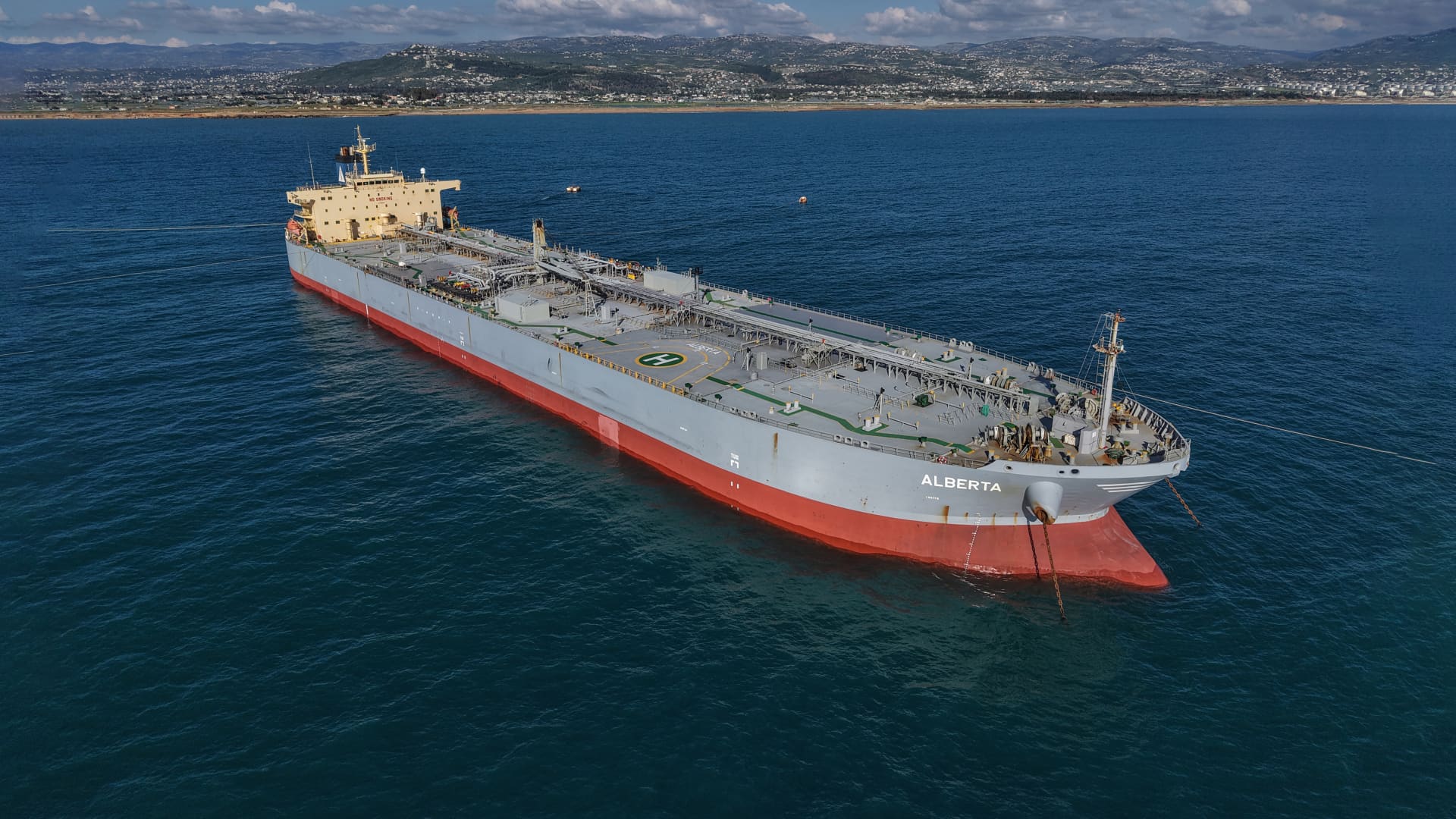
One of the most significant contributors to the elevated cost of oil delivery is the increase in tanker rates. As global demand for oil rebounds, the competition for shipping resources has intensified, leading to higher freight costs. This surge in tanker rates can add a significant premium to the overall price of crude oil, further complicating the market landscape. Analysts suggest that these transportation costs could be contributing to the disconnect between market prices and the actual cost of oil delivery.
Geopolitical Influences on Oil Pricing
Geopolitical tensions have historically played a crucial role in shaping oil prices. Current conflicts and uncertainties in key oil-producing regions can lead to supply disruptions, which in turn influence pricing dynamics. Sullivan's insights suggest that such geopolitical factors, combined with logistical challenges, create an environment where the perceived price of oil does not accurately reflect its true cost. This misalignment can have implications for traders and investors who rely on traditional pricing models.
Market Sentiment and Speculation
Market sentiment also plays a pivotal role in oil pricing. Speculators often drive prices based on anticipated future trends rather than current realities. As investors react to news and data releases, prices can fluctuate dramatically, sometimes detaching from the underlying economic fundamentals. Sullivan's viewpoint highlights the importance of considering both physical delivery costs and speculative market behavior when evaluating oil prices.
The Impact of Supply Chain Disruptions
Supply chain disruptions have become a recurring theme in the post-pandemic economy, affecting numerous industries, including oil. Delays in production, transportation, and refining processes can lead to shortages in the market, which may not be reflected in spot prices. According to Sullivan, these disruptions contribute to an inflated 'real' price of oil, as the costs of navigating these challenges accumulate. Investors and companies must be aware of these factors when making strategic decisions in the oil market.
Long-Term Implications for Investors
For investors, understanding the nuances of oil pricing is critical in navigating the current landscape. Sullivan's analysis suggests that the disconnect between market prices and the 'real' cost of oil could present both opportunities and risks. Investors who can accurately assess the true cost of oil may find opportunities in undervalued assets, while those who rely solely on market sentiment may face significant risks. The current environment necessitates a more sophisticated approach to oil investment, where logistical realities are factored into pricing assessments.
The Role of Renewable Energy in the Oil Market
The transition to renewable energy sources is another factor influencing the oil market. As governments and corporations commit to reducing carbon emissions, the demand for oil may shift, impacting pricing dynamics. Sullivan's perspective indicates that while the immediate costs of oil delivery are significant, the long-term outlook will also be shaped by the evolution of energy markets. Investors must consider how the shift towards renewables could affect oil prices in the future, as traditional oil companies may face increased competition from alternative energy sources.
Conclusion: Navigating the Complex Oil Landscape
In conclusion, Brian Sullivan's assertion that the 'real' price of oil is likely $30 to $40 higher than current market rates underscores the complexities of the oil market. Factors such as rising transportation costs, geopolitical influences, market sentiment, and supply chain disruptions all contribute to a nuanced pricing landscape that requires careful analysis. For investors and stakeholders in the oil industry, understanding these dynamics is essential for making informed decisions in a market characterized by uncertainty and volatility. As the global economy continues to evolve, the interplay between traditional oil pricing and emerging energy trends will be crucial in shaping the future of the energy market.