


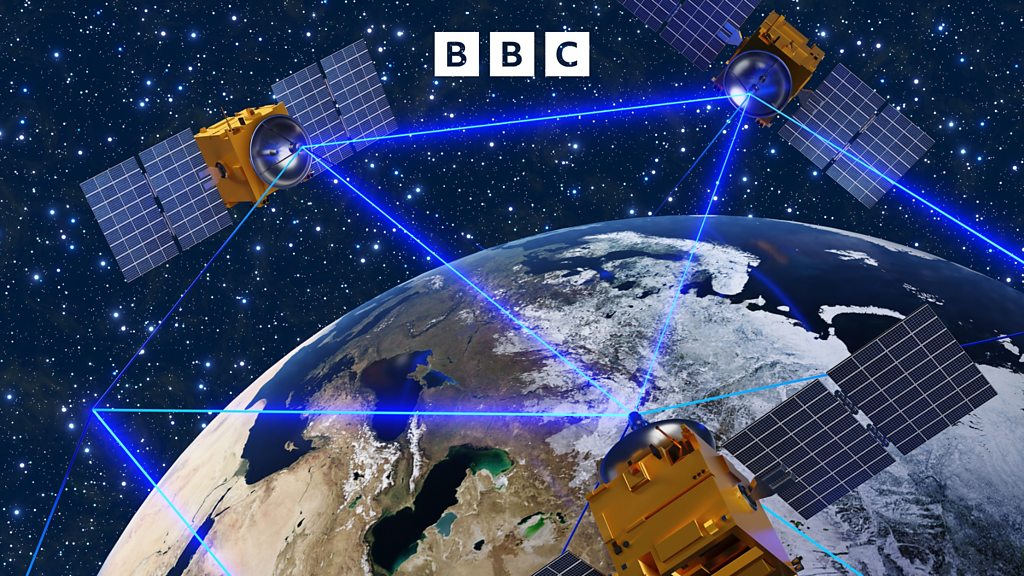
Introduction to Orbital Data Centers
In an era where data consumption and processing capabilities are soaring, the tech industry is on the brink of a revolutionary shift. The concept of orbiting data centers presents a transformative approach to data management and storage. This initiative, which links satellites around Earth, aims to address the increasing demand for cloud computing, data storage, and real-time processing power. By utilizing the vast expanse of space, tech companies are exploring ways to optimize data accessibility and efficiency, paving the way for a new frontier in information technology.
The Rationale Behind Orbital Data Centers
As global internet usage continues to rise, traditional data centers face challenges related to bandwidth, latency, and energy consumption. Ground-based facilities are often constrained by physical and geographical limitations, leading to bottlenecks in data transmission. In contrast, orbital data centers can leverage the unique advantages of space, including reduced latency and increased data transmission speeds. By positioning data centers in low Earth orbit, companies can significantly enhance their ability to process and transmit vast amounts of information quickly and efficiently.
Technological Innovations Fueling the Concept
The feasibility of orbiting data centers hinges on several technological advancements. Innovations in satellite technology, including miniaturization and improved communication systems, have made it possible to deploy small, efficient satellites capable of handling substantial data loads. Coupled with advancements in artificial intelligence and machine learning, these satellites can manage data routing and processing autonomously, further enhancing system efficiency. Additionally, the development of energy-efficient cooling systems is crucial for maintaining optimal operating conditions in the harsh environment of space.
Environmental Considerations and Sustainability
One of the most compelling arguments for orbital data centers is their potential for sustainability. Ground-based data centers often rely on fossil fuels for energy, contributing significantly to carbon emissions. In contrast, orbital data centers can harness solar energy, utilizing it to power operations while minimizing environmental impact. This shift towards renewable energy sources aligns with global efforts to combat climate change and reduce the carbon footprint of technology. Furthermore, the reduced need for extensive physical infrastructure on Earth may lead to less land degradation and resource depletion.
Market Implications and Economic Impact
The emergence of orbital data centers is poised to disrupt the existing cloud computing market. Major tech companies, including established giants and emerging startups, are investing in this innovative approach, anticipating significant returns as demand for data services continues to grow. The potential for lower operational costs and improved service delivery could create competitive advantages for companies that adopt this technology early. As a result, businesses may need to reevaluate their data strategies and consider partnerships with satellite operators to stay ahead in a rapidly evolving landscape.
The Role of Governments and Regulatory Challenges
The development of orbital data centers will inevitably involve regulatory scrutiny. Governments around the world must address issues related to space traffic management, data sovereignty, and cybersecurity. As satellites orbit the Earth, concerns about collision risks and the proliferation of space debris will need to be managed effectively. Additionally, regulations governing data privacy and security must be adapted to account for the unique challenges posed by space-based operations. Collaborative efforts between governments, private sector stakeholders, and international organizations will be essential to establish a robust regulatory framework that fosters innovation while ensuring safety and security.
Competitive Landscape: Who's Leading the Charge?
Several key players in the tech industry are actively exploring the potential of orbital data centers. Companies with established satellite networks, such as SpaceX and Amazon, are leveraging their existing infrastructure to pioneer this new frontier. SpaceX's Starlink project, which aims to provide global internet coverage through a constellation of satellites, has laid the groundwork for integrating data processing capabilities in space. Meanwhile, Amazon's Project Kuiper seeks to establish a similar satellite network, potentially incorporating data center functionalities in its operations.
Investment Opportunities in Space-Tech
As the concept of orbital data centers gains traction, investment opportunities are emerging for venture capitalists and institutional investors. Startups focused on satellite technology, data processing, and space-based applications are attracting attention from investors looking to capitalize on the next wave of technological innovation. Furthermore, companies that specialize in satellite manufacturing, launch services, and ground support systems are likely to benefit from increased demand as the industry expands. The convergence of technology, finance, and space exploration presents a unique opportunity for investors to diversify their portfolios in an increasingly interconnected world.
Challenges and Risks Ahead
Despite the promising prospects of orbital data centers, several challenges remain. The high costs associated with launching and maintaining satellite infrastructure pose significant barriers to entry for many companies. Additionally, the technical complexities involved in ensuring reliable data transmission and processing in space require substantial expertise and investment. Furthermore, the competitive landscape is evolving rapidly, and companies must navigate the risks associated with technological obsolescence and market volatility.
The Future of Data Management in Space
The vision of orbiting data centers represents a paradigm shift in how data is managed and processed. As the tech industry continues to innovate, the integration of space-based solutions into everyday operations could redefine the standards of efficiency and accessibility. The potential benefits of reduced latency, increased data processing capabilities, and enhanced sustainability are compelling reasons for businesses to consider this transformative approach. While challenges remain, the future of data management in space holds promise for a more connected and efficient digital landscape.
Conclusion: Embracing the New Frontier
As the concept of orbital data centers evolves, it is clear that the intersection of technology and space is reshaping the future of data management. The implications for businesses, investors, and consumers are profound, offering new opportunities and challenges that will require adaptability and foresight. As the industry moves forward, collaboration across sectors will be crucial in harnessing the full potential of this innovative approach. Embracing the new frontier of tech life in space could lead to unprecedented advancements in how we live and work, fundamentally changing the digital landscape for generations to come.