


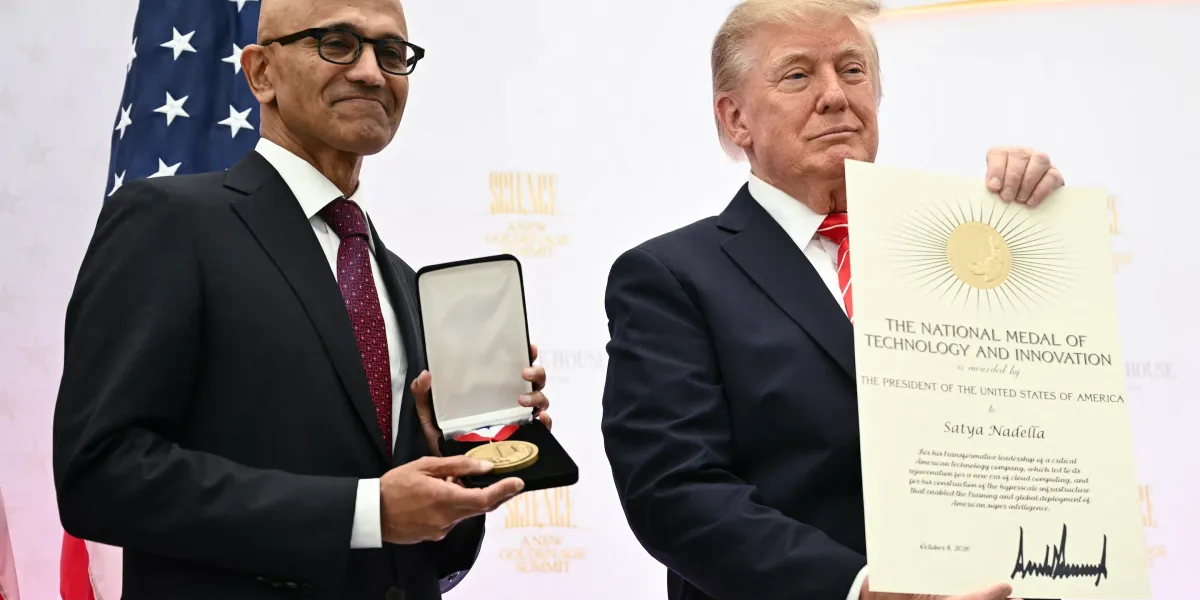
The Rise of Satya Nadella: A Journey from H-1B to CEO
Satya Nadella's ascent to the helm of Microsoft marks a significant narrative in the tech world, particularly in the context of immigration and labor policies in the United States. As an Indian immigrant who arrived in the U.S. on an H-1B visa, Nadella's journey exemplifies the potential for talent and innovation to thrive irrespective of geographical boundaries. His leadership has been characterized by a transformation of Microsoft into a cloud computing powerhouse and a proponent of AI technology, positioning the company at the forefront of the digital economy.
Nadella's story resonates with many in the tech industry, where skilled foreign workers have historically contributed to innovation and growth. However, recent political shifts and policy changes have raised concerns about the future of such pathways for highly skilled immigrants, particularly those working in technology.
Political Backlash Against Tech Giants
The recent suspension of Microsoft from the Permanent Labor Certification (PERM) green card program, initiated by Vice President JD Vance, reflects a growing sentiment among certain political factions that tech companies are undermining American workers. Vance's accusations of Microsoft replacing laid-off American employees with "foreign indentured servants" highlight a contentious debate surrounding immigration and labor practices in the tech industry.
This political stance has broader implications, as it suggests a tightening of immigration policies that could impact the hiring practices of major corporations. The PERM program is crucial for companies seeking to sponsor foreign workers for permanent residency, and any disruptions to this process could lead to a talent drain in an industry that heavily relies on skilled labor from abroad.
Implications for the Tech Workforce
The suspension from the PERM program raises critical questions about the future of employment for skilled immigrants in the tech sector. With the U.S. economy increasingly dependent on technology and innovation, the ability to attract and retain top talent is paramount. The tech industry has long argued that foreign workers fill gaps in the labor market, particularly in specialized fields such as software engineering, data science, and artificial intelligence.
As companies like Microsoft navigate these challenges, the potential for a skills shortage looms. The competition for talent is intensifying not only domestically but also globally, as other countries seek to attract skilled professionals through more favorable immigration policies. This could lead to a scenario where U.S. tech firms find it increasingly difficult to maintain their competitive edge in a rapidly evolving market.
The Economic Landscape and Talent Acquisition
The suspension from the PERM program coincides with a period of economic volatility, where many tech companies are reassessing their workforce strategies amidst rising interest rates and inflationary pressures. Microsoft, like many of its peers, has undertaken significant layoffs in recent months, citing the need to streamline operations and focus on core business areas.
In this environment, the ability to hire and retain talent becomes even more crucial. The suspension raises concerns about the long-term implications for Microsoft's workforce strategy. If the company cannot effectively navigate the immigration landscape, it may find itself at a disadvantage when competing for the best and brightest in the industry.
Responses from the Tech Community
The tech community has responded with a mix of concern and advocacy regarding the recent policy changes. Industry leaders argue that the U.S. must maintain an open and inclusive immigration policy to foster innovation and economic growth. Many believe that the contributions of immigrant workers are integral to the success of tech companies and, by extension, the American economy.
Organizations representing tech workers have called for a reevaluation of policies that could inhibit the ability of companies to hire skilled workers. They argue that a diverse workforce not only enhances creativity and innovation but also drives economic progress. The tech industry is urging policymakers to find a balance that supports American workers while also recognizing the vital role that immigrant talent plays in driving technological advancement.
The Future of Immigration Policy and Tech Innovation
The unfolding situation poses critical questions about the future of immigration policy in the United States and its impact on tech innovation. As the Biden administration continues to navigate these complex issues, the balance between protecting American jobs and fostering a competitive business environment remains a contentious debate.
With calls for reform from various stakeholders, including business leaders, immigration advocates, and policymakers, there is potential for a rethinking of how immigration policies can evolve to meet the demands of a changing economy. The ability to adapt and attract a diverse talent pool will be crucial in ensuring that the U.S. remains a leader in technology and innovation.
Conclusion: Navigating a New Era
As Microsoft and other tech companies face the repercussions of recent political actions, the path forward will require a nuanced approach that considers the needs of American workers while also recognizing the contributions of skilled immigrants. The narrative of Satya Nadella serves as a reminder of the potential that exists when barriers are removed, allowing talent to flourish regardless of origin.
Ultimately, the future of the tech workforce will depend on a collaborative effort between industry leaders and policymakers to create an environment conducive to innovation, growth, and inclusivity. As the landscape continues to change, the importance of skilled foreign workers in shaping the next chapter of technological advancement cannot be overstated.