


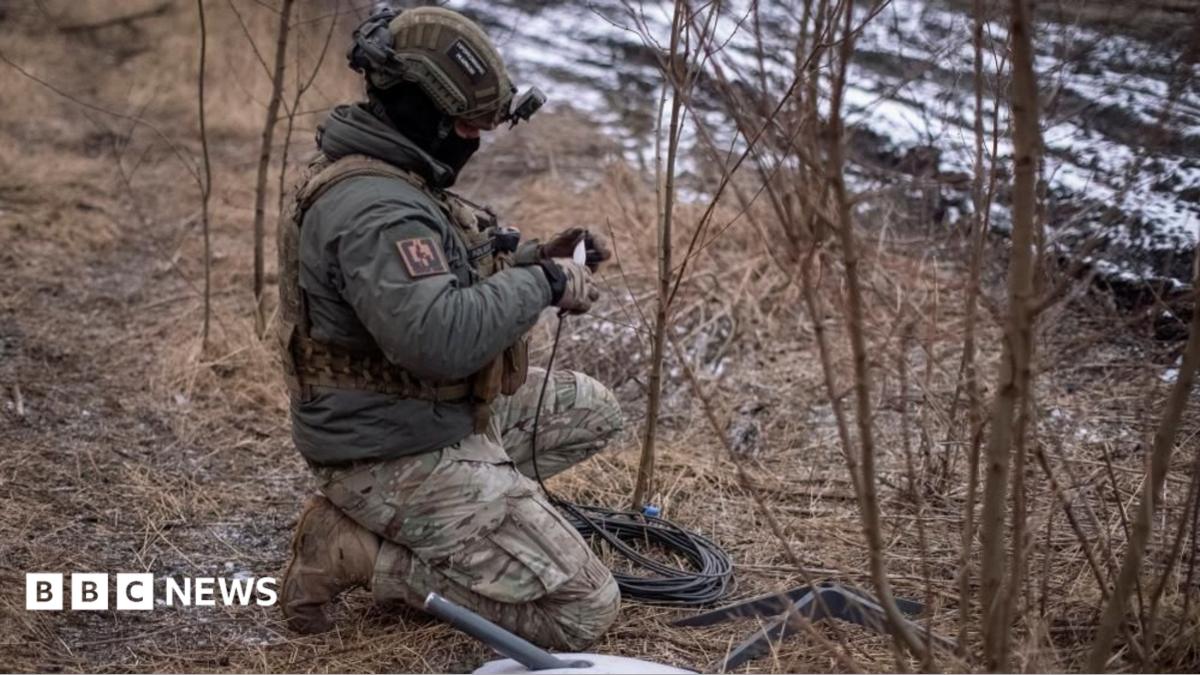
The Role of Starlink in Modern Warfare
In the evolving landscape of military operations, the importance of reliable communication cannot be overstated. In Ukraine, the conflict has illuminated the critical role of advanced technologies, particularly satellite internet services like Starlink. Deployed by SpaceX, Starlink has emerged as a pivotal component of military communications, providing robust connectivity that has proven essential for coordinating operations, relaying intelligence, and maintaining command structures on the battlefield.
Starlink's Technological Advantages
Starlink operates a constellation of thousands of low Earth orbit (LEO) satellites, designed to deliver high-speed internet access across the globe. Unlike traditional satellite systems, which often suffer from latency and limited bandwidth, Starlink's innovative architecture allows for low-latency communication. This capability is particularly crucial in military contexts where real-time data exchange can make the difference between success and failure in operations.
The system's ability to maintain connectivity even in the face of infrastructure damage has been a game changer for Ukrainian forces. As ground units engage in combat, they rely on Starlink to communicate with command centers, share tactical data, and receive updates on enemy movements. This level of connectivity is vital for executing coordinated maneuvers and ensuring that troops are well-informed and responsive to changing battlefield dynamics.
Enhancing Situational Awareness
One of the most significant advantages Starlink provides is the enhancement of situational awareness for military personnel. With high-speed internet access, troops can utilize various applications and tools that facilitate intelligence gathering, reconnaissance, and operational planning. For instance, real-time video feeds from drones can be transmitted instantly, allowing commanders to assess battlefield conditions and make informed decisions quickly.
As forces adapt to the fluid nature of modern combat, the capacity to share and analyze data in real-time is invaluable. Starlink's capabilities enable units to stay connected across vast distances, ensuring that all levels of command are synchronized and informed. This interconnectedness not only improves operational efficiency but also enhances the safety of personnel by providing timely updates and alerts regarding potential threats.
Resilience Against Disruption
The conflict in Ukraine has underscored the vulnerability of traditional communication infrastructure to attacks. As a result, military planners have increasingly sought alternatives that can withstand disruption. Starlink’s satellite-based system is inherently more resilient to physical attacks compared to terrestrial networks, which can be easily targeted and destroyed.
Moreover, the ability to deploy Starlink terminals quickly and efficiently allows military forces to establish communication in previously inaccessible areas. This flexibility is particularly advantageous in a conflict where frontline positions may shift rapidly, necessitating the need for adaptable communication solutions that can be set up in various environments without extensive logistical support.
Strategic Implications for Military Operations
The strategic implications of Starlink's deployment in Ukraine extend beyond immediate battlefield communications. By enhancing connectivity, Starlink enables more sophisticated operational planning and execution. Military leaders can leverage data analytics and machine learning algorithms to predict enemy movements, optimize resource allocation, and improve overall mission success rates.
Furthermore, the integration of Starlink into military operations has implications for Ukraine's long-term defense strategy. As the country continues to modernize its armed forces, the reliance on advanced technologies such as satellite internet will likely become a cornerstone of its military doctrine. This shift not only enhances Ukraine's current capabilities but also positions the nation as a forward-looking player in the realm of defense technology.
Challenges and Limitations
Despite its advantages, the use of Starlink in military operations is not without challenges. One significant concern is the potential for adversaries to intercept communications or jam signals. While Starlink's encryption protocols provide a level of security, the evolving nature of cyber warfare necessitates continuous updates and adaptations to protect sensitive information.
Additionally, the reliance on a single provider for critical communication infrastructure raises questions about dependency. Should SpaceX face operational challenges or regulatory hurdles, the impact on Ukrainian forces could be considerable. As such, military planners must balance the benefits of Starlink with the inherent risks of over-reliance on a commercial system.
The Economic Impact of Starlink in Ukraine
The economic implications of Starlink's deployment extend beyond military applications. In a country grappling with the ramifications of conflict, reliable internet access can facilitate not only military operations but also civilian communication and business activities. As businesses adapt to the realities of war, a stable internet connection can help maintain essential services, support remote work, and foster resilience in the local economy.
Moreover, the presence of advanced communication infrastructure like Starlink can attract foreign investment and support economic recovery efforts post-conflict. Investors are often drawn to regions with robust technological capabilities, viewing them as more viable opportunities for growth and development. In this sense, Starlink’s contribution to Ukraine's military efforts could have lasting economic benefits, fostering a more connected and resilient society.
Conclusion: The Future of Satellite Communications in Warfare
As the conflict in Ukraine continues to unfold, the significance of Starlink as a military communication tool cannot be underestimated. Its ability to provide high-speed, reliable internet access in challenging environments has redefined how military operations are conducted in the modern era. The lessons learned from Ukraine may well influence military strategies worldwide, as nations recognize the importance of integrating advanced technologies into their defense frameworks.
Looking ahead, the evolution of satellite communications is likely to play a crucial role in shaping the future of warfare. As more countries explore similar technologies, the landscape of military operations will continue to transform, emphasizing the need for adaptability, resilience, and innovation in the face of emerging challenges. In this new era, the integration of satellite internet services like Starlink may very well become a standard component of military strategy, fundamentally altering the dynamics of conflict and communication on the battlefield.