


Background on Starlink's Role in Ukraine
Since the onset of the conflict between Ukraine and Russia, the Starlink satellite network, operated by SpaceX, has become a critical asset for Ukraine's military and communication infrastructure. The system provides high-speed internet access, enabling real-time communication, coordination, and operational efficiency for Ukrainian forces. As traditional communication networks have been disrupted by Russian attacks, Starlink has emerged as a lifeline, facilitating not only military operations but also civilian connectivity in war-torn areas.
Recent Developments in Ukraine's Defense
On Tuesday night, Ukraine faced a significant escalation in Russian attacks, which included drone strikes aimed at critical infrastructure. Reports indicated that the speed of internet access provided by Starlink was curtailed, raising concerns about the implications for Ukraine's defensive capabilities. The ability to communicate swiftly and effectively is paramount in military engagements, and any limitations on this front could hinder Ukraine's response to ongoing threats.
Trump's Denial of Limiting Access
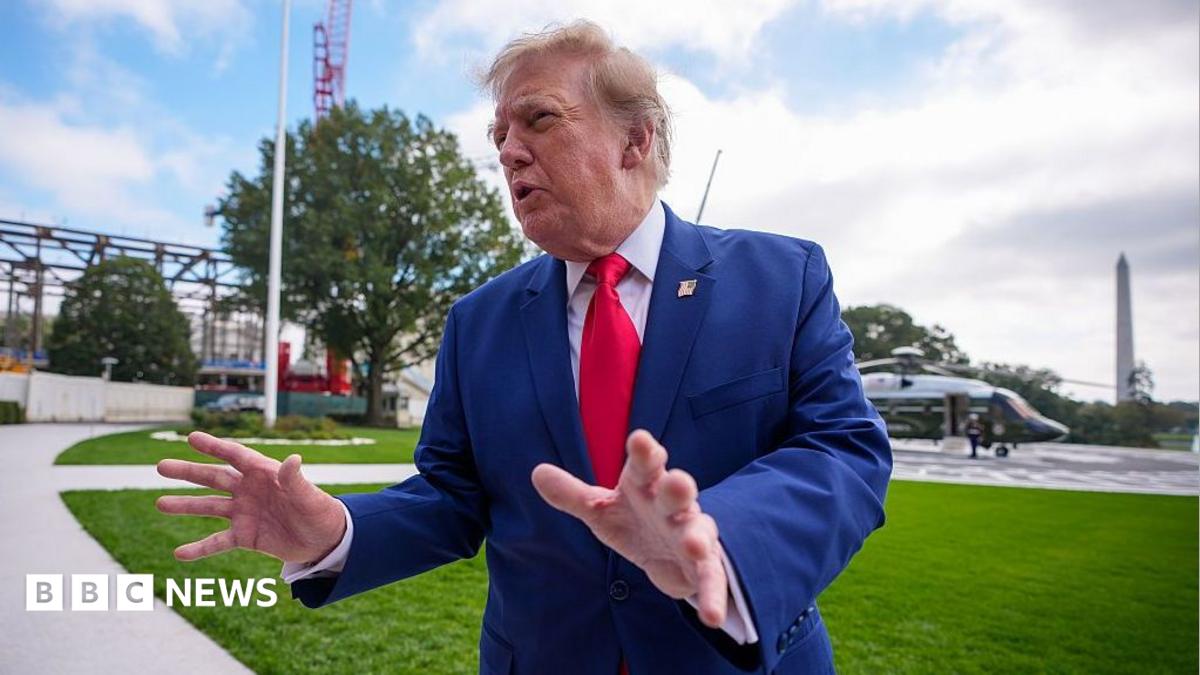
Amidst the escalating conflict and subsequent concerns regarding Starlink's operational capabilities in Ukraine, former President Donald Trump publicly denied any involvement in limiting Ukraine's access to the satellite network. Trump's statements come in the context of ongoing debates about U.S. foreign aid and support for Ukraine, as well as his previous comments regarding American involvement in international conflicts. The former president's remarks aim to clarify his position amid speculations that his administration's policies could impact military support for Ukraine.
Political Implications of Starlink's Usage
The use of Starlink in Ukraine is not only a military issue but also a politically charged topic within the United States. As the Biden administration continues to provide military and financial support to Ukraine, Trump's comments highlight the division in American political circles regarding foreign aid. Trump's denial of limiting access suggests an attempt to distance himself from any narrative that could portray him as unsupportive of Ukraine during a time of crisis, especially as the 2024 presidential campaign looms on the horizon.
Market Reactions to the Conflict
The geopolitical tensions resulting from the Ukraine-Russia conflict have had notable effects on global financial markets. Investors are closely monitoring developments, particularly as they relate to energy prices, defense stocks, and technology companies like SpaceX. The uncertainty surrounding military engagements often leads to volatility in stock markets, with sectors such as defense experiencing increased interest from investors seeking to capitalize on rising military expenditures.
SpaceX's Strategic Position
As the operator of Starlink, SpaceX finds itself in a unique position within the context of international conflicts. The company has garnered significant attention for its role in providing internet access to Ukraine, which has become a matter of national security. This strategic involvement not only enhances SpaceX's reputation as a key player in global telecommunications but also raises questions about the responsibilities of private companies in conflict zones. As the situation evolves, the implications for SpaceX's operations and its relationship with government entities will be closely scrutinized.
International Reactions and Support for Ukraine
The international community has largely rallied behind Ukraine, providing various forms of assistance, including military aid, humanitarian support, and technological resources. The role of satellite communications in modern warfare has brought attention to the importance of maintaining robust systems that can withstand disruptions. As allies continue to support Ukraine, the necessity for reliable communication systems like Starlink becomes increasingly evident. The implications of any limitations on these systems could be dire, potentially altering the trajectory of the conflict.
Future of Starlink in Conflict Zones
The ongoing situation raises critical questions about the future of Starlink and similar technologies in conflict zones. As military operations become more reliant on advanced communication technologies, the potential for both public and private entities to influence these systems will be a focal point of discussion. Ensuring uninterrupted access to communication networks will be vital for both military and civilian populations in conflict-affected areas. The balance between operational security and the necessity for connectivity will be a challenge for stakeholders involved.
Potential Consequences of Access Limitations
Should limitations on Starlink access persist, the consequences for Ukraine could be severe. Reduced communication capabilities may affect situational awareness, coordination among military units, and overall operational effectiveness. This would not only hinder Ukraine's response to immediate threats but could also discourage international partners from providing further support if they perceive a lack of effective communication on the ground. The strategic importance of maintaining robust communication lines cannot be overstated, particularly in the context of an ongoing military conflict.
The Broader Implications for U.S. Foreign Policy
Trump's comments and the surrounding controversy underscore the broader implications for U.S. foreign policy regarding Ukraine. As the political landscape shifts in the lead-up to the 2024 presidential election, the debate over continued support for Ukraine is likely to intensify. Questions about the effectiveness of military aid, the role of private companies like SpaceX, and the impact of political rhetoric will shape the discourse surrounding U.S. involvement in foreign conflicts. The outcome of these discussions will have lasting ramifications for U.S. foreign policy and its role in global security.
Conclusion: Navigating a Complex Landscape
The evolving situation in Ukraine, particularly regarding the access to crucial communication networks like Starlink, highlights the intricate interplay between technology, politics, and military strategy. Trump's denial of limiting access amidst ongoing conflict raises questions about the influence of political narratives on international support for Ukraine. As the situation develops, stakeholders across the spectrum—from military leaders to tech executives—will need to navigate a complex landscape that balances operational needs with the realities of international diplomacy and public opinion.