


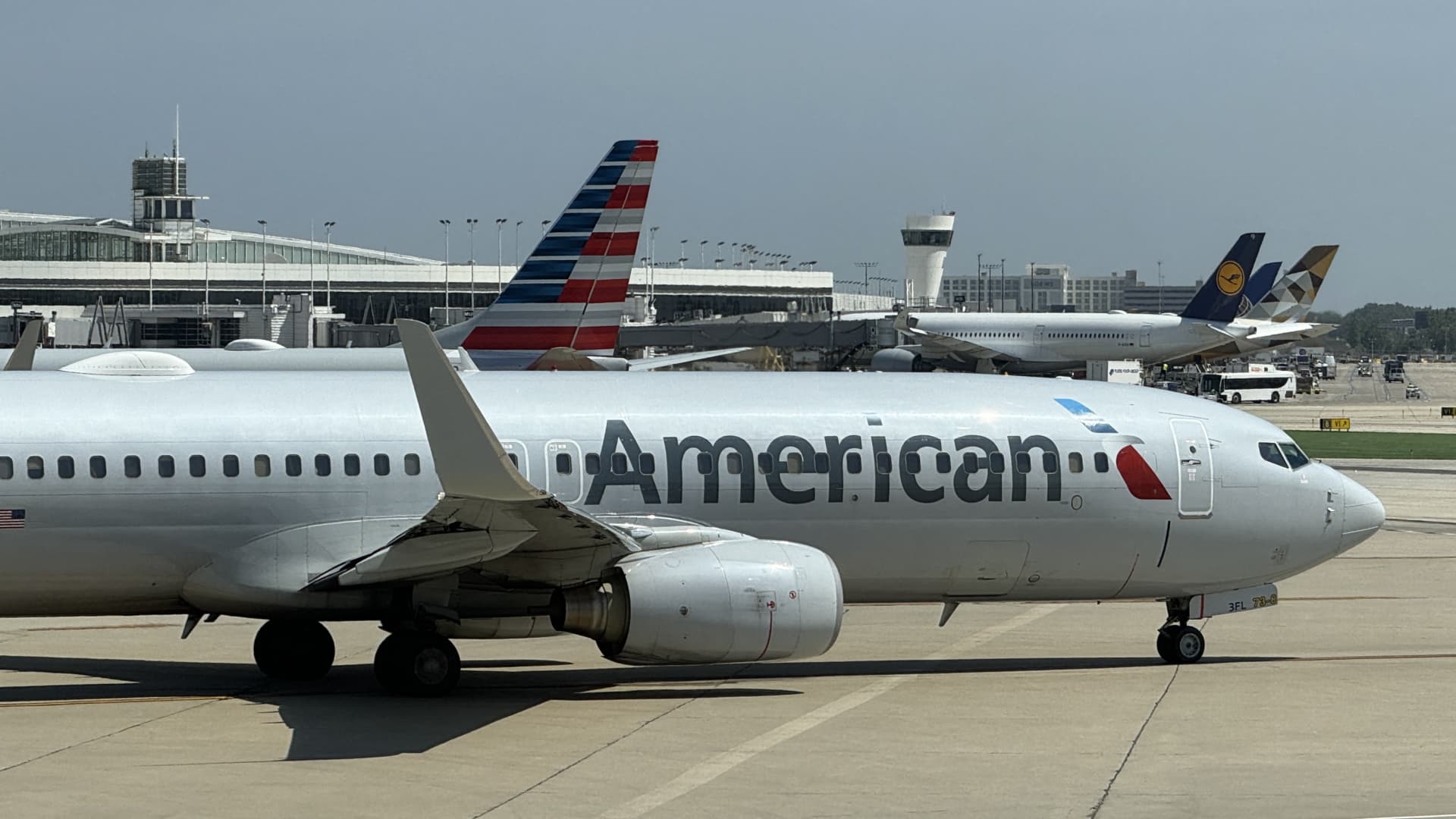
Strategic Shift in American Airlines' Upgrade Policy
American Airlines has announced a significant policy change that will impact its elite frequent flyers. Starting soon, the airline will cease offering complimentary upgrades from economy class to business class on select long domestic flights. This decision marks a pivotal shift in the airline's customer service strategy, particularly for its most loyal customers who typically enjoy such privileges as part of their elite status.
Understanding the New Upgrade Limitations
The new policy will specifically target certain long-haul domestic routes, although the airline has yet to disclose the complete list of affected flights. Traditionally, American Airlines has allowed its elite members, including those with AAdvantage Platinum, Platinum Pro, and Executive Platinum status, to receive automatic upgrades based on availability. The discontinuation of this practice on select routes raises questions about how the airline plans to balance customer satisfaction with operational costs.
Rationale Behind the Decision
American Airlines has cited operational efficiency and financial sustainability as key reasons for this policy change. The airline industry has faced unprecedented challenges in recent years, exacerbated by the COVID-19 pandemic. As travel demand rebounds, airlines are under pressure to maximize profitability while managing the costs associated with premium cabin upgrades. By limiting complimentary upgrades, American Airlines aims to maintain the value of its business class offering and potentially increase revenue from ticket sales in that segment.
The Competitive Landscape of Airline Loyalty Programs
In the highly competitive airline industry, loyalty programs are a crucial differentiator. American Airlines' decision is particularly noteworthy in the context of its competitors, many of whom continue to offer free upgrades as a way to enhance customer loyalty. Delta Air Lines and United Airlines have maintained similar perks for their elite members, which could create a competitive disadvantage for American Airlines. The airline will need to carefully monitor customer reactions to this policy change to ensure that it does not drive frequent flyers to seek alternatives.
Impact on Frequent Flyers and Business Travelers
For frequent flyers, especially those who rely on business travel, this change may significantly alter the travel experience. Many elite members have come to expect upgrades as a standard benefit of their loyalty status, and losing this perk could lead to dissatisfaction among a key customer segment. Business travelers, in particular, may find it less appealing to choose American Airlines if they perceive a decline in the value of their loyalty status, especially on longer flights where comfort is paramount.
Potential Revenue Implications
While the immediate consequences of this policy change may include discontent among elite members, the long-term financial implications could be more nuanced. By reducing the number of complimentary upgrades, American Airlines may be able to enhance the perceived value of its business class product. This could lead to increased sales of business class tickets, as travelers seeking more comfort may be more willing to pay for the upgrade rather than relying on a complimentary option. However, the airline must tread carefully to avoid alienating its loyal customer base.
The Role of Customer Feedback
As American Airlines implements this new policy, customer feedback will be critical in shaping its future strategies. The airline has historically been responsive to the needs and preferences of its travelers, and this situation may prompt it to reevaluate its loyalty program. Engaging with frequent flyers and soliciting their input could help American Airlines navigate the fine line between profitability and customer satisfaction.
Looking Ahead: Future of Airline Loyalty Programs
The landscape of airline loyalty programs is evolving, and American Airlines’ decision may signal a broader trend within the industry. As airlines continue to adapt to changing market conditions and consumer expectations, the traditional model of loyalty rewards may require reevaluation. With a focus on profitability and operational efficiency, airlines may increasingly prioritize revenue-generating strategies over complimentary upgrades, leading to a redefined value proposition for elite members.
Conclusion: A Balancing Act for American Airlines
American Airlines' decision to discontinue complimentary upgrades on select long domestic flights represents a significant shift in its customer service approach. As the airline navigates the complexities of a recovering market, it must carefully balance the need for financial sustainability with the expectations of its loyal customer base. The coming months will be crucial for American Airlines as it assesses the impact of this policy change and determines how to maintain its competitive edge in a rapidly evolving landscape.
Final Thoughts on Airline Strategy
As airlines like American Airlines adapt their strategies to meet the demands of a post-pandemic world, the focus will likely remain on enhancing profitability while preserving customer loyalty. The ability to innovate within loyalty programs and provide value to elite flyers will be essential in retaining market share and ensuring long-term success. This policy change serves as a reminder that the dynamics of the airline industry are continually shifting, and companies must remain agile to thrive in this competitive environment.