


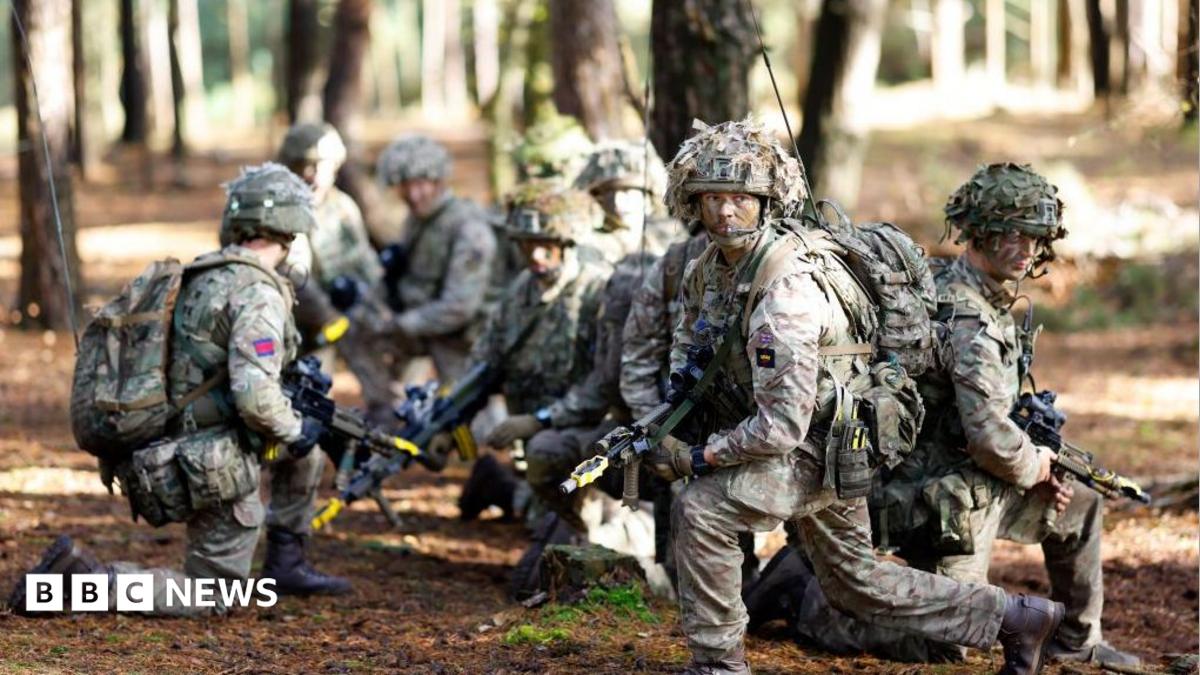
Impact of Budget Constraints on Military Preparedness
The UK Ministry of Defence (MoD) has issued directives to various military units to scale back non-essential training exercises amidst increasing financial pressures. This decision reflects a broader trend of austerity measures within governmental departments, as the UK grapples with rising costs and economic challenges. The move raises questions about the readiness of the British Army and its ability to respond to emerging threats in an increasingly volatile international landscape.
Financial Pressures Facing the MoD
With the UK government striving to balance its budget, the MoD has found itself in a precarious position. The ongoing conflict in Ukraine, alongside other global security concerns, has necessitated a reallocation of resources. However, the financial strain has prompted officials to reassess their spending priorities. As a result, units not poised for immediate deployment have been instructed to curtail training exercises deemed non-essential, a decision that could impact troop readiness and morale.
Consequences for Military Operations
The implications of reduced training are profound. Training exercises are fundamental in ensuring that troops maintain their operational readiness and tactical proficiency. By limiting these exercises, the MoD risks creating gaps in skillsets that are critical for effective military performance. In an environment where geopolitical tensions are on the rise, the ability of the British Army to respond swiftly and effectively could be compromised, potentially jeopardizing national security.
Reactions from Military Leadership
Military leaders have expressed concern over the decision, emphasizing the importance of continuous training in maintaining high standards of operational capability. The British Army has long prided itself on its professionalism and readiness, and the curtailment of exercises may undermine these values. Commanders argue that adequate training is not merely a budget line item but a vital component of military effectiveness.
Budget Cuts and Their Broader Implications
The decision to halt non-essential training exercises is emblematic of a larger trend within the UK government, where budget cuts are increasingly affecting various departments. The MoD's financial woes are not isolated; they reflect a national strategy that has prioritized fiscal restraint over military expansion. Critics argue that this approach could leave the UK vulnerable to external threats, as adversaries take note of the diminished capabilities of British forces.
Public and Political Reaction
The decision has sparked a debate among politicians and the public regarding the adequacy of defense funding. Some lawmakers have called for an increase in the defense budget to ensure that the UK maintains its status as a global military power. Others argue that the government must prioritize spending on domestic issues, such as healthcare and education, over military expenditures. This division highlights the ongoing struggle to balance national security needs with pressing social issues.
Long-term Strategic Considerations
As the UK navigates these financial challenges, it is essential to consider the long-term strategic implications of reduced military training. The British Army's ability to adapt to new technologies and warfare tactics is crucial in a rapidly changing global context. A sustained reduction in training could hinder the Army's modernization efforts, particularly as NATO allies continue to invest in advanced military capabilities.
The Role of Defense Innovation
In light of budget constraints, the MoD may need to explore alternative avenues to maintain operational readiness. Investment in defense innovation and technology could provide a solution. By leveraging advancements in simulation and virtual training environments, the Army could reduce costs while ensuring that troops remain proficient in their skills. This approach could mitigate some of the negative impacts of the current budget cuts.
International Comparisons and Lessons Learned
The UK's situation is not unique. Many countries face similar dilemmas regarding military funding and training. A comparative analysis of defense spending among NATO allies reveals that nations prioritizing military readiness often allocate a larger proportion of their budgets to training and operational capabilities. The UK may benefit from reviewing these models and considering a more balanced approach to defense spending that aligns with its strategic objectives.
Future Outlook for the British Army
The immediate future for the British Army appears uncertain as it grapples with these financial challenges. While the current directive to cut back on non-essential training exercises is a response to budgetary constraints, it raises critical questions about the long-term implications for military readiness and national security. As policymakers deliberate over defense spending, the British Army's ability to adapt and maintain its operational capabilities will be tested.
Conclusion: Navigating a Complex Landscape
The decision to halt non-essential training exercises within the British Army is a reflection of broader financial pressures facing the UK government. While cost-saving measures are necessary, the potential impact on military readiness must not be overlooked. As global threats continue to evolve, the UK must find a way to balance its fiscal responsibilities with the imperative to maintain a capable and prepared military force. The path forward will require strategic thinking and innovation to ensure that the British Army remains a formidable presence on the world stage.