


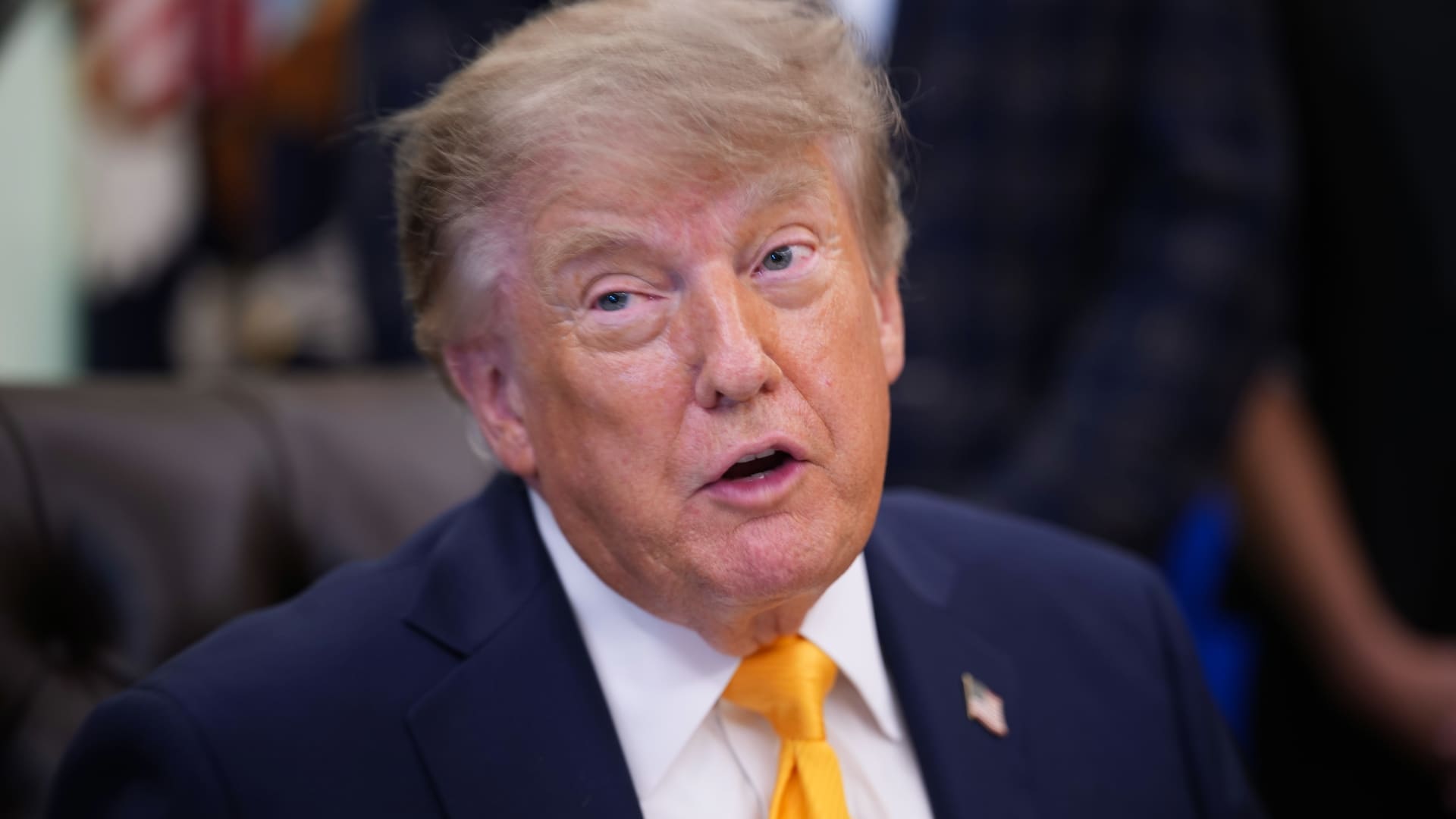
Trump's Financial Commitment to the Republican Party
In a bold move that could reshape the landscape of the upcoming midterm elections, former President Donald Trump announced his intention to invest up to $500 million of his personal wealth to support Republican candidates. This pledge comes as the Republican National Committee (RNC) and various party-affiliated political action committees (PACs) prepare for a critical election cycle, where control of Congress is at stake. Trump's financial backing is expected to provide a significant boost to candidates aligned with his Make America Great Again (MAGA) movement.
The Strategic Significance of Trump's Investment
Trump's announcement signals a strategic pivot for MAGA Inc., the former president's PAC, which had previously opted to conserve its substantial war chest of $403 million rather than deploy it aggressively in earlier races. By committing personal funds, Trump aims not only to energize the Republican base but also to influence the outcomes of key races that could determine party control in both the House and Senate. This financial infusion could help counteract the Democratic Party's fundraising advantages, particularly in battleground states.
Contextualizing the $500 Million Pledge
The $500 million investment represents one of the largest personal contributions in recent political history, highlighting Trump's willingness to leverage his wealth to influence political outcomes. This pledge follows a series of high-profile endorsements and campaign appearances, suggesting that he is not merely a passive figure in the party but is actively shaping its direction. Analysts suggest that this financial commitment could galvanize grassroots support and mobilize voters who align with Trump's vision for the Republican Party.
Potential Impact on Republican Candidates
Trump's financial backing is expected to have a ripple effect on Republican candidates across various races. With such a significant amount at play, candidates may find themselves better positioned to compete against well-funded Democratic opponents. The funds could be utilized for a range of campaign activities, including advertising, ground game operations, and voter outreach initiatives. The infusion of cash could also bolster the Republican Party's messaging and enhance its visibility in the media.
How MAGA Inc. May Utilize the Funds
MAGA Inc. has a history of strategically deploying resources to maximize impact. With Trump's personal investment, the PAC could focus on several key areas. Targeted advertising campaigns in swing districts may be prioritized to sway undecided voters. Additionally, funding could be allocated to support local party infrastructures, ensuring that candidates have the necessary resources to mobilize supporters effectively. Trump's endorsement and financial support could also help candidates fend off primary challenges from more traditional Republican contenders.
Challenges Ahead for Republican Candidates
Despite the potential advantages of Trump's financial commitment, Republican candidates face numerous challenges as they head into the midterm elections. The political landscape remains highly polarized, and issues such as inflation, abortion rights, and immigration are likely to dominate voter concerns. Additionally, Trump's controversial presidency continues to be a double-edged sword for candidates seeking to distance themselves from his more divisive policies while still appealing to his base. Balancing these dynamics will be crucial for candidates aiming to leverage Trump's support without alienating moderate voters.
The Role of Donor Dynamics in the Midterms
Trump's personal investment may also influence the broader donor landscape for the Republican Party. Traditionally, large donors play a significant role in funding campaigns, and Trump's willingness to invest his own money could inspire others to follow suit. This could lead to a surge in contributions from wealthy benefactors who align with Trump's vision. As a result, the Republican Party may see an influx of capital that could bolster its overall fundraising efforts, allowing it to compete more effectively against the Democratic Party.
Implications for Trump's Political Future
Trump's financial commitment to the Republican Party also raises questions about his long-term political ambitions. By positioning himself as a kingmaker and major financial backer, he solidifies his influence within the party. Should the Republicans perform well in the midterms, it could pave the way for Trump to mount another presidential campaign in 2024, reinforcing his status as a central figure in American politics. Conversely, if the Republicans struggle, it may prompt a reevaluation of Trump's approach and influence within the party.
Public Perception and Voter Response
Public perception of Trump's financial involvement will play a critical role in shaping voter response. While his base may view this pledge as a sign of commitment and leadership, others may perceive it as an attempt to exert control over the party. Voter sentiment regarding Trump's financial influence could impact turnout rates, particularly among independent voters who may be swayed by the narrative surrounding his involvement. Understanding these dynamics will be essential for the Republican Party as it seeks to navigate the complexities of the electoral landscape.
Conclusion: A Pivotal Moment for the Republican Party
Trump's pledge to invest up to $500 million in support of Republican candidates marks a pivotal moment in the lead-up to the midterm elections. His financial commitment not only underscores his continued influence within the party but also sets the stage for a highly competitive election cycle. As candidates prepare to leverage this unprecedented support, the implications of Trump's investment will resonate throughout the political landscape, shaping not only the outcomes of individual races but also the future direction of the Republican Party.