


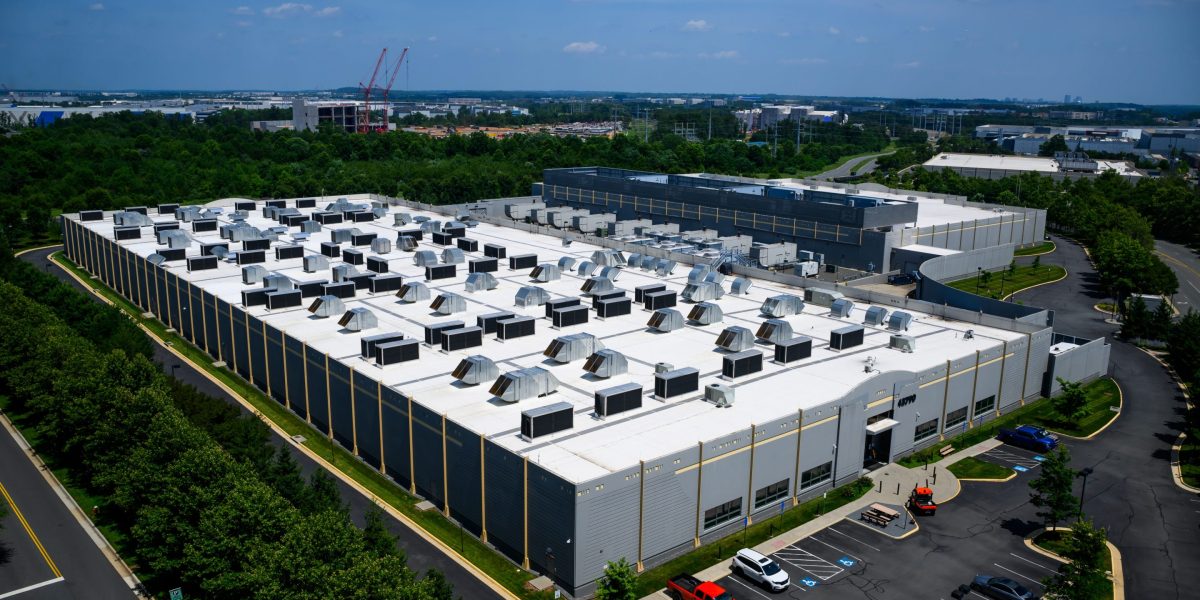
Introduction to Data Center Investments
In recent years, the rapid expansion of data centers has emerged as a cornerstone of the digital economy. Big tech companies, including industry giants such as Amazon, Microsoft, and Google, are investing billions into the construction and enhancement of these facilities. While the primary driver behind these investments is the growing demand for cloud computing and data storage, the financial implications extend beyond mere operational costs. A significant aspect of this investment strategy involves leveraging state tax incentives designed to attract data center development, ultimately resulting in substantial revenue losses for some states.
The Landscape of Data Center Tax Incentives
Data centers require significant capital investment, not only in real estate but also in specialized equipment and technology. To stimulate local economies and encourage infrastructure development, many state governments have implemented tax incentives aimed at reducing the financial burden on these projects. Currently, 36 out of the 50 states offer some form of tax incentive for data center development, which can include exemptions on property taxes, sales taxes on equipment purchases, and income tax credits. These incentives are intended to attract large tech firms, create jobs, and catalyze economic growth.
Financial Mechanics Behind the Incentives
The mechanics of these incentives are multifaceted. By reducing the tax liabilities associated with the construction and operation of data centers, states hope to entice tech firms to establish operations within their borders. For instance, exemption from sales tax on equipment purchases can significantly decrease initial capital expenditures. Furthermore, states often promise additional benefits such as expedited permitting processes and infrastructure improvements, which can enhance the overall appeal of the location. However, while these incentives can lead to immediate job creation and economic activity, they can also result in long-term revenue losses that may not be offset by the economic benefits.
Impact on State Revenues
The financial ramifications of these tax incentives are becoming increasingly apparent. States that aggressively pursue data center investments may find themselves facing substantial revenue shortfalls. For example, the loss of property and sales tax revenue can accumulate to millions of dollars annually. This has raised concerns among state officials and economists regarding the sustainability of such incentives. In some instances, the projected economic benefits have failed to materialize, leading to debates about whether the tax breaks are justifiable in the long term.
Case Studies: States Affected by Data Center Investments
Several states have emerged as notable examples of the impact of data center tax incentives. Virginia, often dubbed the “Data Center Capital of the World,” has seen an influx of data centers due to its favorable tax policies and proximity to major metropolitan areas. However, this growth has come at a cost, with estimates suggesting that the state could lose hundreds of millions in tax revenue over the next decade. Similarly, states like Texas and North Carolina have experienced rapid data center growth, but local governments are now grappling with budget constraints as a result of reduced tax income.
Balancing Economic Growth and Revenue Needs
As states navigate the complexities of attracting tech investments while maintaining fiscal responsibility, a delicate balance must be struck. Policymakers are increasingly tasked with evaluating the effectiveness of these tax incentives and determining whether they yield sufficient returns on investment. Some states are beginning to reassess their incentive structures, aiming to create more transparent frameworks that ensure accountability and measurable outcomes. This includes establishing performance metrics that tie tax benefits to job creation and economic development.
The Role of Big Tech in Shaping Policy
Big tech companies wield significant influence over state policy due to their economic clout and the high stakes of data center investments. As these firms continue to expand their operations, they often engage in lobbying efforts to secure favorable tax treatment. This has raised ethical questions about the extent to which corporations should dictate public policy, particularly when it comes to tax incentives that can result in public revenue loss. The dialogue surrounding these issues is becoming more pronounced, with calls for greater transparency and accountability in the negotiation process.
Long-Term Implications for the Tech Industry
The long-term implications of these tax incentives extend beyond immediate financial considerations. As states become more selective in their incentive offerings, tech companies may need to rethink their investment strategies. A potential shift towards more competitive bidding for tax breaks could emerge, with states vying for the attention of tech giants. Additionally, as public scrutiny increases, companies may be compelled to demonstrate corporate social responsibility by contributing to local economies through means other than tax avoidance.
Future Trends in Data Center Development
Looking ahead, the landscape of data center development is poised for change. With the rise of sustainability concerns, many tech firms are prioritizing green energy solutions and environmentally friendly practices in their data center operations. This trend could influence state tax incentives, as governments may offer additional benefits for companies that invest in renewable energy sources or implement energy-efficient technologies. The intersection of technology, environmental responsibility, and economic policy will likely shape the future of data center investments.
Conclusion: Navigating the Future of Tax Incentives
The ongoing expansion of data centers represents a significant opportunity for economic growth, yet it also presents challenges for state governments tasked with balancing fiscal responsibilities. As big tech companies continue to leverage tax incentives to reduce operational costs, states must carefully evaluate the long-term implications of these strategies on their revenue streams. Policymakers are faced with the challenge of creating a sustainable framework that attracts investment while ensuring that the economic benefits are equitably shared among the communities that host these data centers. The evolving dialogue surrounding tax incentives will play a crucial role in shaping the future landscape of the tech industry and its impact on state economies.